


Bitcoin mining helped launch the cryptocurrency revolution, but the industry has changed dramatically since Bitcoin’s early days when enthusiasts could mine coins using a home computer. In 2026, mining Bitcoin has become a capital-intensive business that requires specialized hardware, significant electricity, and careful financial planning.
Interest in Bitcoin mining, however, continues to grow. With Bitcoin prices remaining volatile and the network continuing to expand, many investors are asking whether mining is still profitable and what it actually costs to get started today.
Understanding Bitcoin Mining
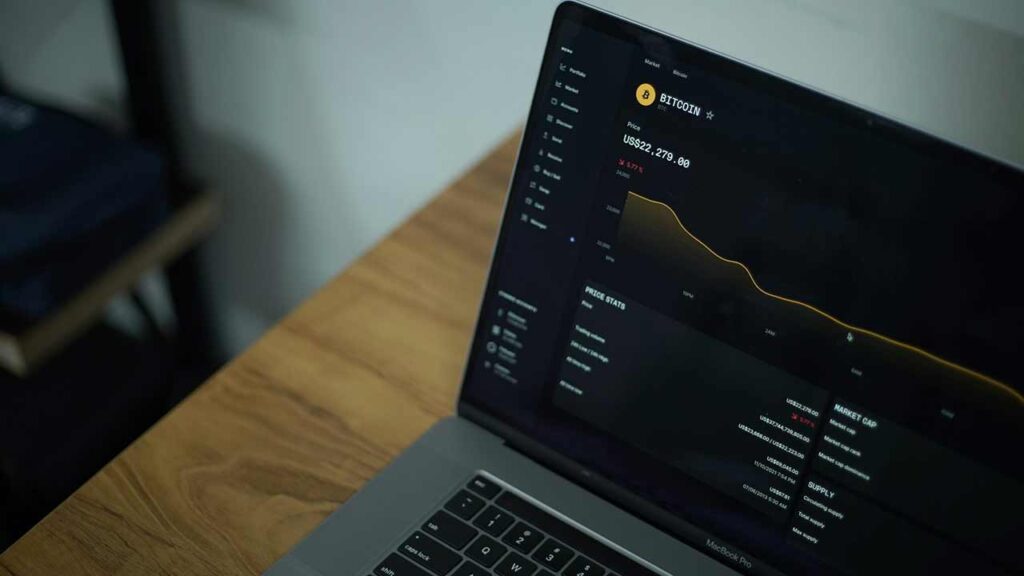
Bitcoin mining is the process that verifies transactions and secures the blockchain. Powerful computers compete to solve complex cryptographic calculations, and the first system to solve the puzzle earns the right to add the next block of transactions to the network.
Miners are rewarded with newly created Bitcoin and transaction fees. After the April 2024 halving event, the reward dropped to 3.125 Bitcoin (BTC) per block. According to data from Blockchain.com, roughly 144 blocks are mined each day, which means about 450 new Bitcoin enter circulation daily.
However, competition has increased dramatically. Mining difficulty adjusts roughly every two weeks to keep block production steady, and the growing number of industrial mining farms has pushed the required computing power to record levels.
Essential Mining Hardware
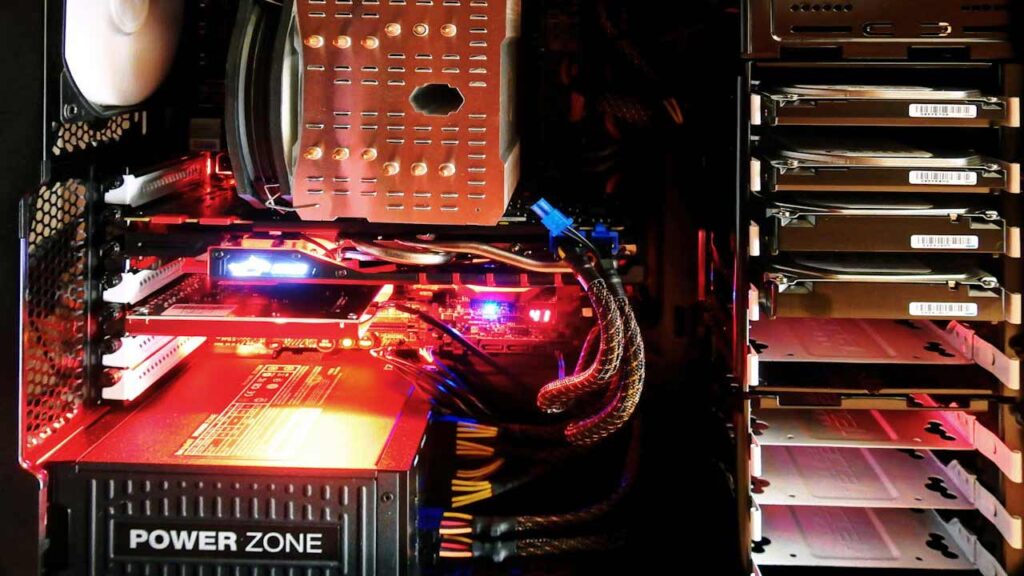
Modern Bitcoin mining relies almost entirely on ASIC miners, short for Application Specific Integrated Circuits. These machines are designed specifically to calculate Bitcoin’s SHA-256 algorithm as efficiently as possible.
Popular models, such as the Bitmain Antminer S21 or MicroBT WhatsMiner M60, can produce hash rates exceeding 200 terahashes per second. According to equipment pricing tracked by Hashrate Index, new units typically cost between $4,000 and $8,000 depending on efficiency and demand.
Unlike early mining setups, CPUs and GPUs are no longer viable for Bitcoin mining because they cannot compete with ASIC hardware. Efficiency is critical, since electricity is often the largest operating cost.
What It Costs to Start Mining Bitcoin
Starting a small-scale Bitcoin mining setup in 2026 typically requires several pieces of equipment beyond just the miner itself. A basic entry setup may include:
- An ASIC mining unit costing between $4,000 and $8,000.
- A high wattage power supply.
- Industrial grade cooling or ventilation.
- A dedicated electrical circuit capable of handling 240 volt loads.
- Mining software and monitoring tools.
For a single machine setup, the total startup investment often ranges between $5,000 and $10,000. Larger operations can easily spend hundreds of thousands of dollars building mining racks, cooling infrastructure, and power distribution systems.
Electricity costs are the biggest variable. Many ASIC miners consume between 3,000 and 3,500 watts continuously. At the U.S. average residential electricity rate of about $0.16 per kilowatt hour, running one machine can cost more than $400 per month in electricity alone, according to data from the U.S. Energy Information Administration.
Is Bitcoin Mining Still Profitable?
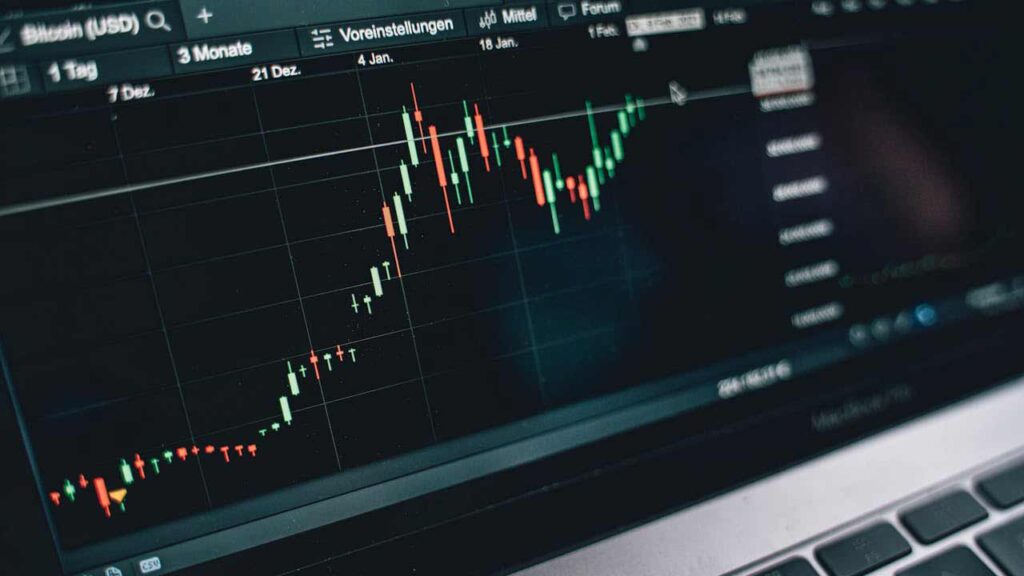
Profitability depends on three major factors:
- the price of Bitcoin,
- the efficiency of the mining hardware, and
- the cost of electricity.
Industry data from Coin Metrics shows that large commercial mining operations often secure electricity rates below $0.06 per kilowatt hour, which gives them a significant advantage over home miners paying residential rates.
At higher electricity costs, profit margins shrink quickly. A single modern ASIC may generate a small daily revenue in Bitcoin, but operating costs can outweigh much of that income unless electricity is inexpensive.
This is why most of the global mining capacity now comes from large facilities located in regions with cheap energy, such as wind corridors in Texas, hydroelectric regions in Canada, or energy rich areas in Central Asia.
Environmental and Regulatory Considerations

Bitcoin mining’s large energy demand has drawn increasing attention from regulators and environmental groups. Estimates from the Cambridge Centre for Alternative Finance suggest that the global Bitcoin network consumes energy comparable to some small countries.
In response to this trend, many mining companies are moving toward renewable energy sources or using excess energy that might otherwise go to waste. Several large U.S. mining firms now operate near wind farms, hydroelectric dams, or natural gas sites where unused energy can be captured.
Regulation is also evolving. Mining income in the United States is generally treated as taxable income when coins are received, and additional taxes may apply when those coins are later sold.
The Bottom Line for New Miners
Bitcoin mining is still possible for individuals, but the economics have shifted heavily toward industrial-scale operations. For hobbyists with high electricity costs, mining is often more about learning or supporting the network than generating consistent profit.
With that said, mining continues to attract investors who believe in Bitcoin’s long-term value. With the right hardware, access to low-cost energy, and careful planning, mining can still be viable in certain situations. For most newcomers, understanding the true startup costs and ongoing expenses is the first step in deciding whether joining the network makes financial sense.
