


Inflation in the U.S. economy has cooled from the highs seen earlier in the decade, but grocery shoppers are still facing steady price increases. Even as overall inflation inches toward more normal levels, food prices at supermarkets are projected to rise slightly faster than the broader cost of living.
The U.S. Department of Agriculture’s Economic Research Service expects food-at-home prices to increase 2.5% in 2026. That compares with a 2.4% annual increase in the Consumer Price Index (CPI), according to the latest data from the Bureau of Labor Statistics. While the difference may seem slight, it adds up because groceries are one of the few expenses families simply cannot live without.
Grocery Inflation Edges Past the Broader Price Index
The USDA outlined its latest projections in its Food Price Outlook, which estimates that food purchased for home consumption will climb about 2.5% during the year. The forecast is based on recent consumer price data as well as wholesale food costs tracked through the Producer Price Index (PPI).
Within grocery stores, the increases are not evenly felt. The USDA expects several major food categories to post price gains, with some items rising between 2.4% and 5.0%. Processed fruits and vegetables, certain packaged foods, and other pantry staples are among the products likely to see stronger increases than the overall average.
Meanwhile, the Bureau of Labor Statistics (BLS) reported that the CPI rose 2.4% over the previous 12 months in its latest release. That figure reflects price movements across dozens of categories including housing, transportation, healthcare, and energy.
The result is a narrow but noticeable gap between grocery inflation and the broader inflation rate. For shoppers, that means progress on inflation more broadly doesn’t always translate into relief at the checkout line.
Why Food Prices Often Move Differently
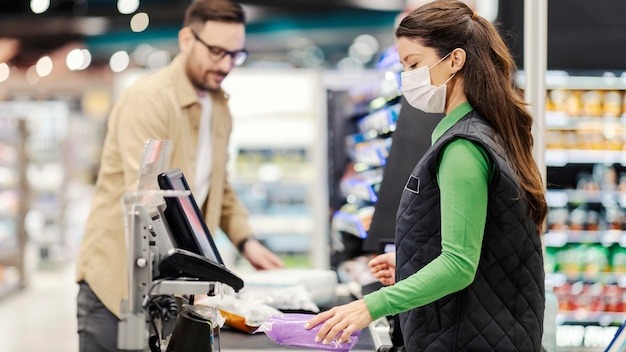
Food prices behave differently from many other parts of the economy. That’s because agricultural commodities depend heavily on variables like weather patterns, crop yields, fertilizer costs, and transportation expenses. Those pressures can push grocery prices higher even when inflation elsewhere is stabilizing.
The USDA notes that its price outlook combines retail price data from the BLS with producer-level information that reflects costs faced by farmers and food processors. Changes in those upstream costs can trickle down to grocery store prices months later, creating price movements that do not always align with the broader inflation trend.
Supply chain disruptions can also play a role. Issues like transportation bottlenecks, labor shortages in food processing, or sudden spikes in feed and energy costs can ripple through the food system quickly. Because grocery stores operate on relatively thin margins, many of those cost increases are eventually passed along to consumers.
These dynamics help explain why food inflation can remain stubborn even when other categories, such as electronics or durable goods, are easing.
Why Grocery Prices Hit Household Budgets Harder
The modest gap between grocery inflation and overall inflation carries real consequences for many families. Groceries represent a recurring expense that households cannot easily delay, unlike big-ticket purchases such as appliances, furniture, or cars.
Lower-income households are particularly sensitive to these fluctuations because food takes up a larger share of their total spending. Even a small percentage increase can force difficult trade-offs on a tight budget. Families may respond by switching to store brands, buying fewer fresh items, or reducing spending in other areas.
For middle-income households, the pressure often shows up more gradually. Grocery bills that creep higher month after month can slowly erode the money available for savings, credit card payments, or other everyday expenses.
Because these changes add up over time, the difference between 2.4% inflation and 2.5% grocery inflation can feel bigger than it looks on paper.
What Slower Inflation Really Means for Shoppers
When policymakers highlight cooling inflation, they are usually referring to broad measures like the CPI or the Personal Consumption Expenditures price index tracked by the Bureau of Economic Analysis. These economic reports combine dozens of spending categories into a single number meant to capture overall cost-of-living changes.
But every household experiences inflation differently depending on how their spending is distributed. For families that spend heavily on food and other essentials, modest grocery price increases can offset any relief coming from categories where prices have stabilized.
To be clear, slower inflation does not mean prices are falling. It simply means prices are rising more slowly than before. Grocery bills that continue to inch upward each year reinforce the sense that the cost of living remains elevated even as economists describe inflation as returning to normal.
As long as food prices continue rising at or above the broader inflation rate, the checkout line will remain one of the most visible reminders that price pressures are still very much a part of everyday life.
