


Retiring in Europe is often seen as a luxury that many cannot afford. But several cities still offer a comfortable lifestyle for well under $2,000 per month. Regional dynamics such as lower housing costs, affordable healthcare, and efficient public transportation allow retirees to stretch their budgets while enjoying historic surroundings, vibrant cultures, and mild climates.
Many smaller European cities remain surprisingly affordable compared with major capitals like Paris or London. For retirees willing to look beyond the most famous destinations, it is still possible to maintain a relaxed European lifestyle on a modest monthly budget.
1) Algarve, Portugal

The Algarve remains one of Europe’s most established retirement destinations. Located along Portugal’s southern coast, the region is known for warm weather, scenic cliffs, and a welcoming local culture.
Many retirees settle in towns such as Lagos or Tavira where monthly living costs can fall between $1,600 and $1,900, depending on housing choices. Portugal’s public healthcare system is widely respected, and private coverage is relatively inexpensive compared with the U.S. International Living steadily ranks the Algarve among the most affordable retirement regions in Western Europe.
2) Valencia, Spain

Valencia offers the energy of a major Spanish city without the price tag of Madrid or Barcelona. Located along the Mediterranean coast, it blends the best of sandy beaches, historic neighborhoods, and a thriving food culture.
Monthly budgets of roughly $1,700 to $1,900 can support a comfortable retirement lifestyle. Affordable apartments outside the city center help keep housing costs manageable, while Spain’s extensive rail system makes getting around convenient. According to Expatica, Valencia ranks as one of Spain’s most balanced destinations for expats seeking both affordability and quality of life.
3) Bratislava, Slovakia
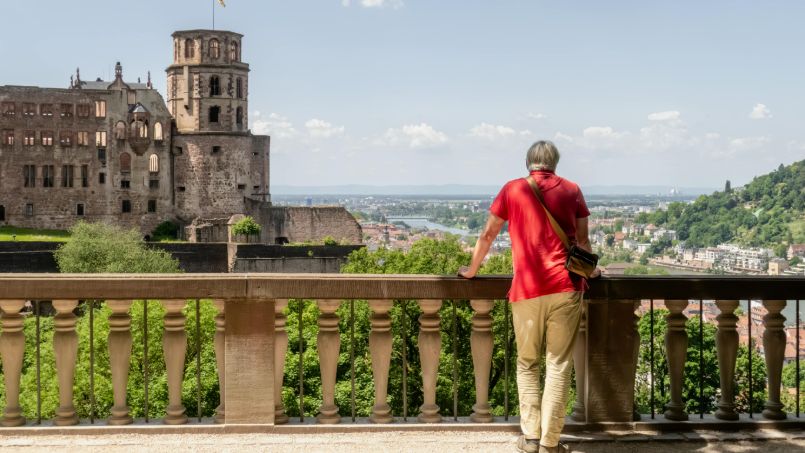
Bratislava provides retirees with a rare combination of affordability and accessibility that’s difficult to match in Central Europe. The Slovak capital sits along the Danube River and is only about an hour from Vienna by train.
Living costs remain lower than most Western European cities. A retiree can often maintain a monthly budget between $1,400 and $1,700, according to Numbeo. The city’s compact historic center, walkability, and strong public transit system make daily life convenient without the need for a car.
4) Paphos, Cyprus

Paphos attracts retirees who want sunshine, seaside views, and a relaxed pace of life. Located on Cyprus’s southwestern coast, the city pairs Mediterranean scenery with a strong expat community.
Retirees often report monthly living costs between $1,500 and $1,900, depending on housing. English is widely spoken due to the island’s historical ties to the U.K., which makes everyday life considerably easier for American residents. Cyprus also provides favorable tax treatment for many foreign retirees.
5) Budapest, Hungary

Budapest is hard to beat for eccentric architecture, thermal baths, and a lively café culture at living costs that remain reasonable for retirees. The Hungarian capital is divided by the Danube River into the historic Buda hills and the lively Pest district.
Housing remains relatively affordable compared with many Western European capitals. Monthly budgets between $1,500 and $1,900 can cover rent, groceries, public transportation, and entertainment. Budapest is frequently cited as one of Europe’s most affordable major cities for expats seeking urban amenities without the higher costs.
6) Plovdiv, Bulgaria

Plovdiv is one of Europe’s oldest cities and remains one of its most affordable. Roman ruins, cobblestone streets, and colorful historic homes give the city an atmosphere unlike anywhere else.
Retirees often find they can live comfortably on $1,200 to $1,600 per month. Lower property prices help keep housing costs manageable, and daily expenses such as groceries and dining out remain inexpensive compared with most of Europe.
7) Valletta, Malta
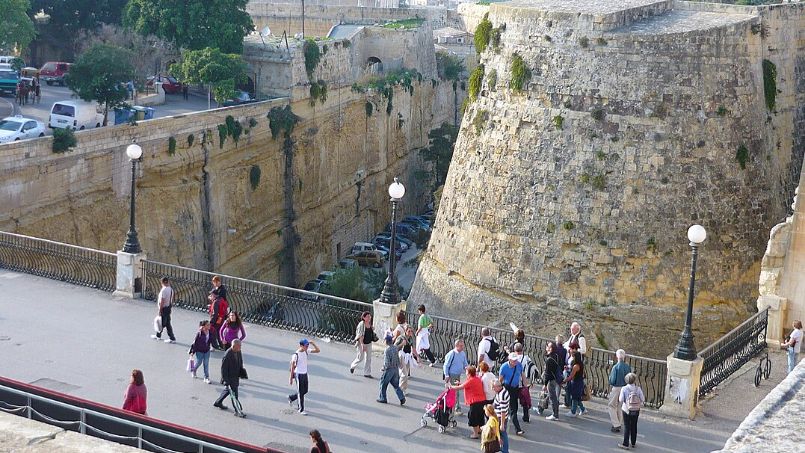
As a sought-after retirement destination, Valletta combines historic architecture with Mediterranean weather and the convenience of English as an official language. Although Malta’s capital is compact, it provides easy access to coastal towns and smaller villages where housing costs are lower.
Retirees who choose apartments outside the central historic district can often keep monthly budgets near $1,900. Malta’s public transportation network and walkable streets make it easy to get around without needing a vehicle.
8) Lucca, Italy

Lucca offers a quieter alternative to Tuscany’s larger tourist centers. Surrounded by Renaissance walls, Lucca delivers an authentically Italian lifestyle, narrow streets and all.
While Italy can be expensive in major cities, smaller towns like Lucca remain within reach for retirees. Monthly costs often fall between $1,700 and $2,000, depending on housing and lifestyle choices. Access to regional trains also allows easy travel to Florence or Pisa without the big city price tag.
For retirees willing to look beyond Europe’s most famous destinations, these cities demonstrate that a comfortable lifestyle abroad does not always require a large retirement budget. Lower housing costs, strong public transportation, and accessible healthcare continue to make many European cities compelling options for retirees seeking both affordability and a richer quality of life.
