


Several major U.S. retailers are shrinking their store footprints in 2026, reflecting the continuing shift in how consumers shop. Department stores, discount chains, and even luxury retailers are trimming underperforming locations as companies redirect money toward e-commerce, logistics, and higher-performing flagship stores.
Major brands including Macy’s, Dollar General, and Saks Global have each announced significant closures as part of broader restructuring efforts. While the numbers vary by company, the pattern is hard to ignore: fewer brick-and-mortar locations and greater emphasis on digital sales and profitability per store.
For shoppers and employees in the communities affected, the changes can be felt immediately. Store closures often mean lost jobs, reduced retail access, and ripple effects for nearby businesses that rely on mall traffic or anchor tenants.
Dollar General Cuts 141 Locations
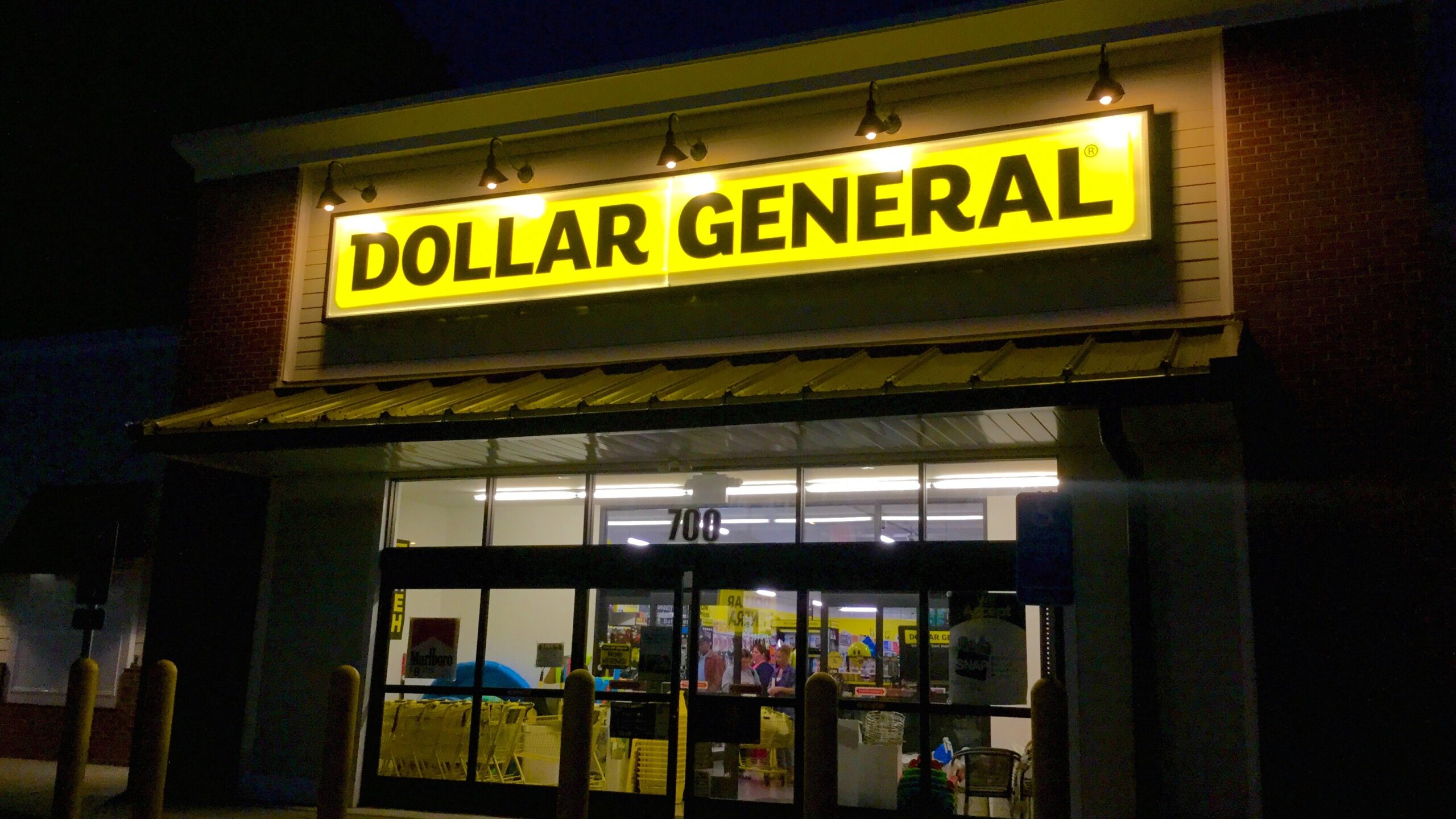
Dollar General, famous for its rapid expansion across rural America, is now selectively trimming its footprint. In its latest annual report filed with the SEC, the company confirmed plans to close 141 stores in early fiscal 2025.
The closures included 96 traditional Dollar General stores and 45 locations under the company’s newer pOpshelf banner. It’s one of the largest single rounds of closures in the company’s recent history, coming after years of aggressive growth that made Dollar General one of the most ubiquitous retailers in the nation.
An accompanying earnings release confirmed the lower store count and explained that six pOpshelf locations will instead be converted into standard Dollar General stores.
The decision reflects the mixed results of the pOpshelf concept, which was designed to attract suburban shoppers with a higher margin assortment of seasonal and discretionary merchandise. Closing dozens of those stores while converting a few others suggests the company is refocusing on its core discount model centered on everyday essentials.
Dollar General still plans to open new stores in select markets, meaning the company will continue expanding overall even as it removes weaker locations. But the move reflects a shift in strategy from rapid expansion to more disciplined, profitability-focused growth.
Macy’s Accelerates Its Three-Year Drawdown
Department store chain Macy’s is also deep into a major restructuring effort that will significantly shrink its national store base. Under what executives call the “Bold New Chapter” strategy, the company plans to close about 150 stores over three years.
Sixty-six of those closures are expected to occur in a single wave as the company concentrates its investments on higher-performing locations and digital operations. Macy’s management has said the plan will allow the company to focus on its strongest stores while raising the bar on overall customer experience.
Executives have emphasized that savings from store closures will be redirected toward remodeling flagship locations, improving merchandising, and strengthening the company’s online platform.
The strategy reflects the continuing decline of traditional mall-based department stores. Numerous Macy’s locations targeted for closure sit inside aging shopping centers that have struggled with falling foot traffic for years. When an anchor tenant leaves a mall, surrounding stores often see sales drop sharply, hastening the decline of the property.
Despite the downsizing, Macy’s still expects to maintain a nationwide presence with hundreds of locations alongside a rapidly growing e-commerce business.
Saks Global Targets Underperforming Luxury Stores
Store closures are not limited to mass-market retailers. Luxury chains are also reevaluating their physical footprints.
Saks Global, which operates Saks Fifth Avenue and other luxury retail brands, has begun closing underperforming locations as it shifts more investment toward online sales and its most productive flagship stores. According to the Associated Press, the company is reviewing several stores that no longer meet performance targets.
Luxury retailers rely far less on large nationwide store networks than traditional department stores. Many brands generate a substantial share of their sales through digital platforms and a small number of destination locations in major cities.
As a result, companies like Saks can concentrate investment in flagship stores that deliver immersive shopping experiences while reducing exposure to pricey real estate in slower markets.
Even so, store closures in the luxury sector still carry symbolic weight. Flagship locations often serve as marketing showcases for high-end brands, and losing a store in a prominent shopping district can signal shifting consumer demand in that market.
Communities and Workers Face the Fallout
Across discount, department store, and luxury retail segments, the closures point to the same underlying trend. Companies are reducing the number of physical stores while investing heavily in e-commerce, supply chains, and technology.
Rising operating costs, including labor, rent, and logistics expenses, have forced retailers to scrutinize every location more closely. Stores that once remained open for brand visibility are now expected to meet strict profitability targets or close.
For employees and local communities, however, the financial calculations can have real consequences. Store closures can eliminate hundreds of jobs in a single region and reduce sales tax revenue for local governments.
Large retail spaces left behind by departing chains can also be difficult to repurpose. Former department store spaces in malls often require extensive redevelopment before new tenants can move in.
Retailers argue that the restructuring is necessary to stay competitive in an industry where online shopping continues to capture a growing share of consumer spending. Whether the strategy ultimately strengthens the surviving stores or accelerates the decline of physical retail is one of the bigger questions hanging over the industry in the years ahead.
