


Walk into many large retailers and the same offer appears at checkout: open the store credit card today and get 20% to 30% off your purchase. For shoppers staring at a $200 or $500 bill, that instant discount can feel like free money.
But store cards also come with some of the highest interest rates in consumer lending, often above 28%. The real question is whether that initial discount actually outweighs the long-term costs.
Looking at eight major retailers that aggressively promote store cards reveals a simple pattern. The first purchase discount can be valuable, but only if the balance is paid off immediately.
Target RedCard

Target’s RedCard works differently from most store cards. Instead of a one-time signup discount, it offers an ongoing 5% discount on purchases.
For a shopper spending $2,000 a year at Target, that equals roughly $100 in annual savings. According to Target’s program details, the discount applies both online and in stores.
The savings are small but consistent, making the card appropriate for frequent shoppers. However, the interest rate remains high if balances are carried.
Macy’s Store Card

Macy’s frequently advertises a 20% to 25% first purchase discount when opening its store card.
For example, a shopper spending $300 during their first visit with a 25% discount will only pay $225, resulting in immediate savings of $75.
However, Macy’s store cards often carry annual percentage rates (APRs) above 30%, according to NerdWallet. Carrying that $225 balance for just one year would cost roughly $67 in interest, nearly erasing the $75 discount.
Best Buy Credit Card
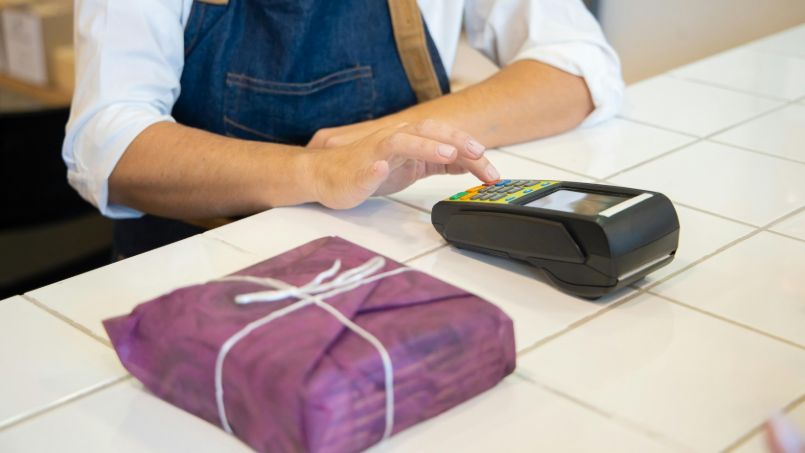
Best Buy pushes its store card heavily during large electronics purchases.
A common offer includes 10% back in rewards on the first purchase or special financing for 12 to 24 months. On a $1,200 television, a 10% reward equals $120 in store credit.
The catch is deferred interest. According to the Consumer Financial Protection Bureau, if the balance is not fully paid before the promotional period ends, interest can be applied retroactively to the entire purchase.
Amazon Store Card

The Amazon Store Card typically offers a $60 to $100 signup bonus or 5% back for Prime members.
For someone spending $3,000 a year on Amazon, the 5% reward equals about $150 annually. Because the rewards apply automatically at checkout, the value can accumulate quickly.
Still, the card carries interest rates similar to other retail cards, which means the rewards only matter if balances are paid in full.
Kohl’s Card
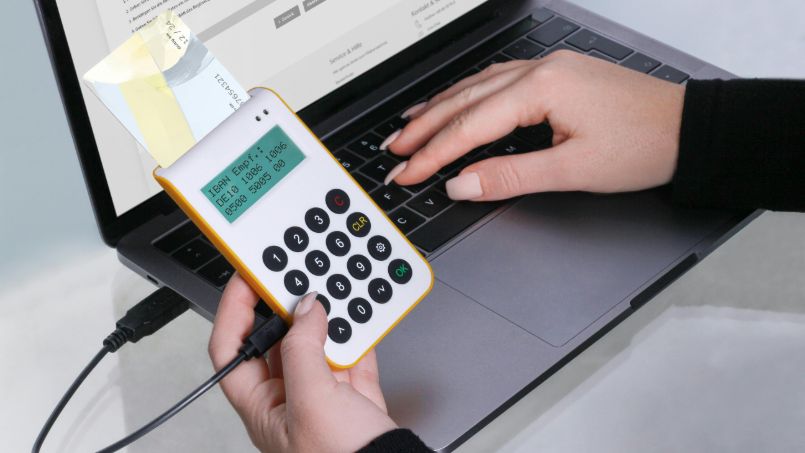
Kohl’s regularly offers a 30% discount to cardholders during promotions.
On a $200 purchase, that discount cuts the price to $140, saving $60 immediately. Frequent Kohl’s shoppers often stack this with Kohl’s Cash promotions.
Despite these benefits, Kohl’s cards typically have APRs above 29%, according to data compiled by CreditCards.com. Carrying a balance quickly offsets those promotional savings.
Home Depot Consumer Card
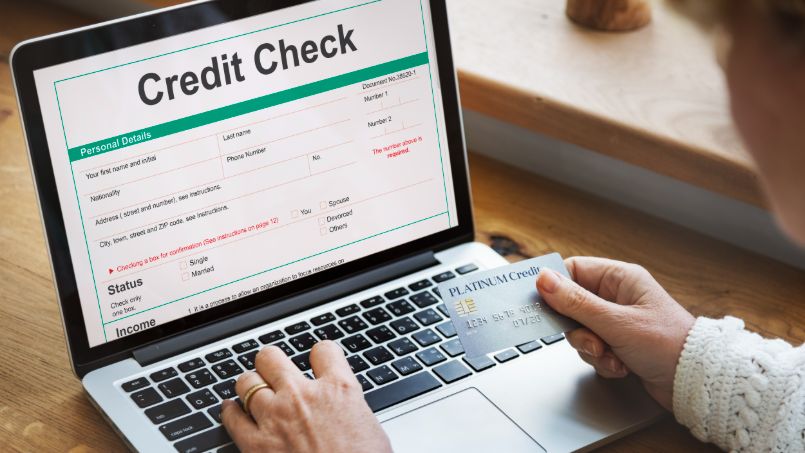
Home Depot frequently promotes six-month financing on purchases over $299.
For a $1,000 appliance purchase, interest-free financing can be valuable if the balance is paid before the deadline. Spread over six months, the monthly payment would be about $167.
If the balance is not paid off by the time the promotional period ends, then deferred interest is added to the entire purchase.
TJX Rewards Card (TJ Maxx, Marshalls)

The TJX Rewards card offers 10% off the first purchase and about 5% back in store rewards.
A $150 purchase would drop to $135 immediately. Over time, shoppers earn rewards certificates for additional purchases.
The tradeoff is an APR often near 30%, which can erase rewards if balances are carried.
Gap and Old Navy Card

The Gap family of brands frequently offers 20% to 30% off the first purchase for new cardholders.
On a $250 clothing purchase, a 25% discount saves about $62.50 immediately. The card also earns rewards points across Gap, Old Navy, Banana Republic, and Athleta.
However, the same rule applies. Interest rates approaching 30% mean the discount only provides real value if the balance is paid off quickly.
The Bottom Line
The math behind store credit cards is straightforward. The signup discount can deliver real savings, especially for large purchases or frequent shoppers.
But those savings disappear quickly if the balance carries even a few months. Because retail credit cards often have some of the highest interest rates in consumer finance, they work best as a short-term tool rather than a long-term borrowing option.
For shoppers who treat them like a coupon and pay the balance immediately, the 25% discount can absolutely be worth it. For everyone else, the real math often favors walking away from the signup pitch at the register.
