


Summer travelers counting on a flood of new Delta Air Lines flights may need to rethink their plans. The carrier is scaling back its warm-weather expansion after jet fuel prices jumped an estimated 12 percent during the first quarter of 2026 — a pullback that could mean fewer nonstop options and higher fares during the year’s peak travel season.
CEO Ed Bastian disclosed the shift during Delta’s first-quarter 2026 earnings call in April 2026, telling analysts the airline would “meaningfully” reduce planned capacity growth rather than absorb rapidly rising fuel costs. “We are not going to chase growth into a rising cost environment,” Bastian said. Delta shares declined in the session that followed but partially recovered in subsequent trading days as Wall Street weighed the margin-protection logic behind the decision. (Specific percentage moves and exact dates have not been independently verified for this article.)
The reversal is striking for an airline that entered 2026 projecting aggressive network expansion, particularly on premium transatlantic routes and high-yield domestic corridors out of its Atlanta hub.
The fuel math behind the decision
The pressure is easy to trace in public energy data. The U.S. Energy Information Administration’s Gulf Coast jet fuel benchmark, the reference point most domestic carriers use for procurement, climbed from approximately $2.50 per gallon in early January to roughly $2.80 per gallon by late March. A move from $2.50 to $2.80 represents a 12 percent increase in simple percentage terms ($0.30 / $2.50 = 0.12). Those figures come from the EIA’s weekly spot-price series and represent market rates, not necessarily what Delta paid; the airline maintains a fuel-hedging program whose current positions have not been publicly updated for the quarter. But the direction is unmistakable: fuel, typically an airline’s largest or second-largest operating expense, grew significantly more expensive just as carriers were locking in summer schedules.
The spike did not come out of nowhere. Delta’s 10-Q filing for the quarter ending September 30, 2025, flagged geopolitical disruptions and refinery constraints as factors that could push fuel costs higher. Language that looked like routine risk-factor boilerplate six months ago now reads like a preview of the strategy pivot announced this spring.
Fewer flights, pricier extras
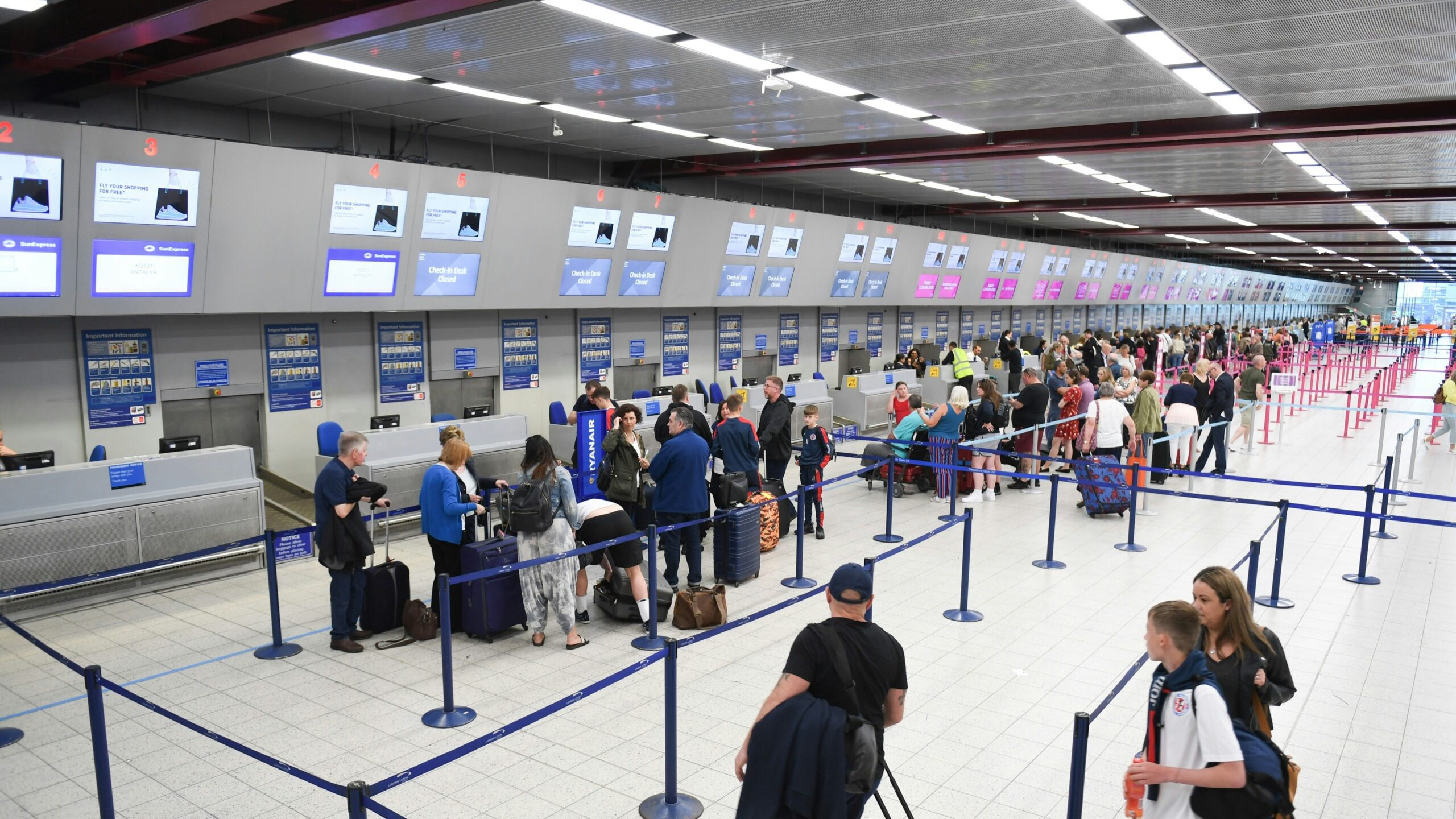
Cutting the schedule is only part of Delta’s response. The carrier also raised its checked-bag fees in recent months, joining a broader industry wave. United Airlines and American Airlines increased baggage charges during the same period. Southwest Airlines held its longstanding two-free-bags policy but, according to an Associated Press report, raised base fares on several domestic routes.
The combination follows a familiar airline strategy: extract more revenue from each passenger while burning less fuel on routes sitting at the edge of profitability. For Delta, which has spent years cultivating a premium brand built on lucrative corporate-travel contracts and its American Express co-branded credit card, the bet is that its highest-value customers will absorb modest price increases rather than defect to a lower-cost rival.
That bet extends to Delta’s premium cabin products, including Delta One and Delta Premium Select, which have been central to the airline’s margin story. Pulling capacity on transatlantic routes where those products command the steepest premiums would be a telling signal about just how seriously management views the fuel headwind.
Helane Becker, an airline analyst at TD Cowen, has described the pullback as prudent. In remarks reported by industry media, Becker said, “When fuel spikes this fast, the rational response is to pull capacity and protect margins.” (The specific research note or media appearance in which Becker made these comments has not been independently verified for this article.)
How competitors are responding
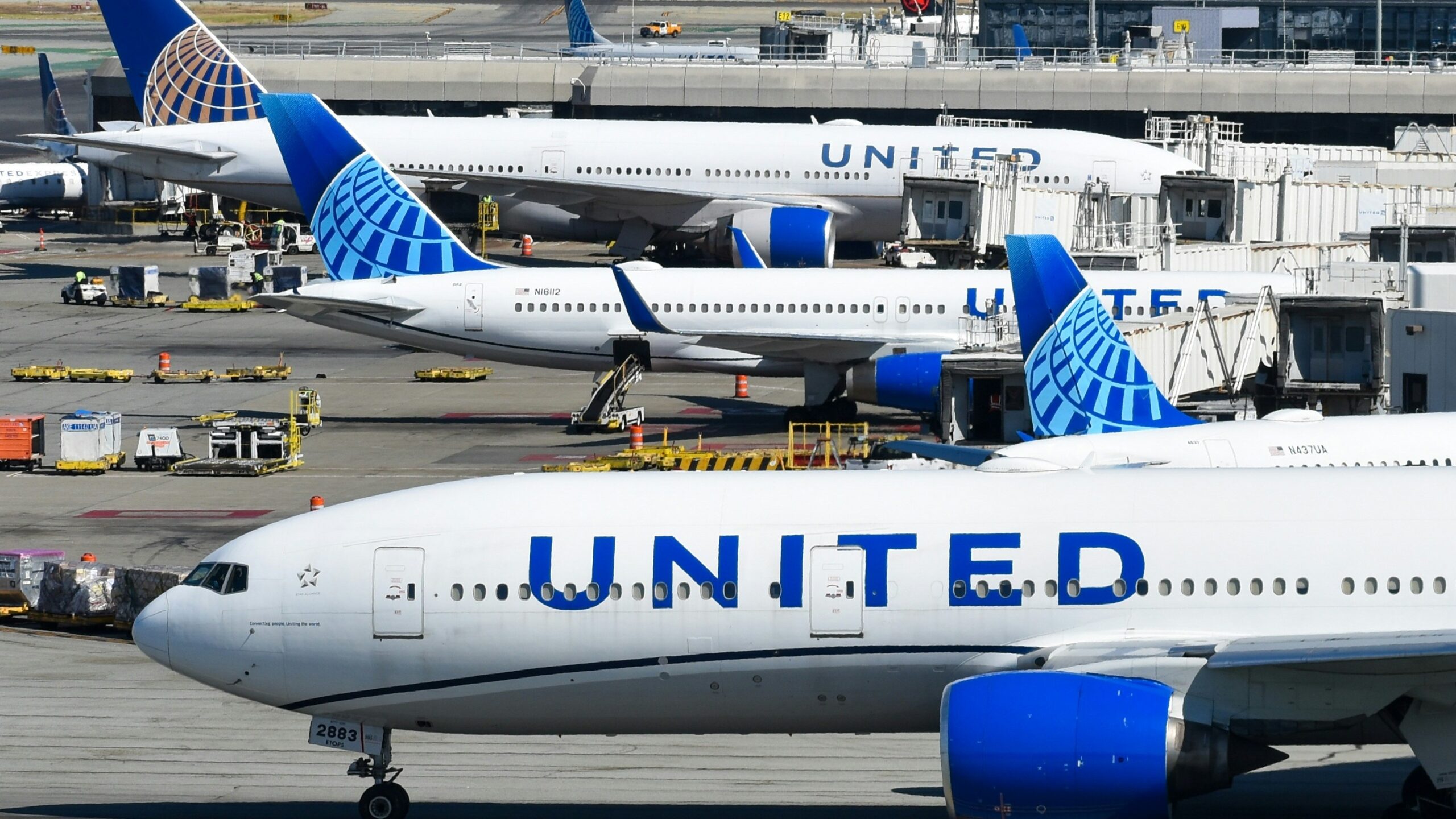
So far, the rest of the industry has not matched Delta’s move, setting up a competitive dynamic worth watching closely. United Airlines told investors during its own April 2026 earnings call that it would “monitor the fuel environment closely” but had not yet adjusted summer capacity plans. American Airlines similarly maintained its existing growth targets for the quarter. Southwest said it was evaluating schedule changes on a rolling basis.
That split matters. If rivals keep adding seats on overlapping routes while Delta pulls back, the carrier risks losing market share among price-sensitive travelers. If the industry eventually moves in lockstep, passengers across all carriers will face tighter supply and higher average fares through the summer.
What travelers should watch
Delta has not released a specific percentage reduction, a route-by-route breakdown, or a quarter-by-quarter capacity forecast tied to the fuel spike. The word “meaningfully” signals strategic intent, not a hard number. Until the airline files updated guidance with the SEC or publishes a revised summer schedule, the full scope of the cuts will remain unclear.
A few developments are worth tracking:
- Schedule changes on high-demand routes. Travelers booking peak-summer itineraries on Delta’s busiest domestic and transatlantic corridors should watch for frequency reductions or aircraft downgauges (swapping a larger plane for a smaller one on the same route). High-demand routes are typically the last to lose flights but the first to reflect tighter supply in ticket prices.
- Fuel price trajectory. EIA data confirm where prices have been, but no government agency has issued a definitive forecast beyond May 2026. Delta’s own risk disclosures note that fuel costs can reverse quickly on refinery restarts, shifts in global crude supply, or easing geopolitical tensions. A sustained drop in jet fuel prices could prompt the airline to restore some of the growth it is now shelving.
- Competitor schedule filings. If United or American announce their own capacity trims in the coming weeks, the pricing environment for summer travel will tighten further across the board.
- Loyalty program impacts. Delta SkyMiles members and holders of the airline’s co-branded American Express cards should pay attention to whether reduced frequencies affect award-seat availability or upgrade odds on popular routes.
What It Comes Down To
Delta is making a calculated trade: sacrifice some near-term growth to protect the profit margins that have made it one of the strongest-performing legacy carriers. The strategy is grounded in publicly available fuel-market data and consistent with the risk factors the airline flagged months before the spike hit. Whether it pays off hinges on three variables no airline can control: where oil prices head next, how aggressively competitors respond, and whether passengers are willing to pay more for fewer options as they book trips through the rest of spring and into summer 2026. For now, the clearest takeaway is practical: if you are planning summer travel on Delta, book early and watch the schedule closely. The seats that disappear first are unlikely to come back.
