


Retirement no longer means stepping away from work entirely. A growing number of Americans keep hitting the pavement in some capacity after leaving full-time careers, often by choice rather than necessity. For many retirees, part-time work provides more than just extra spending money. It can support better health, maintain social connections, and create a sense of purpose.
Research suggests retirees who stay active in the workforce often report higher life satisfaction and improved well-being. Financially, the benefits don’t hurt. Surveys show retirees who work part-time earn an average of roughly $18,000 annually, providing a helpful buffer to retirement income.
Financial Perks

Supplemental income is one of the biggest reasons retirees choose part-time work. According to the Transamerica Center for Retirement Studies, retirees who remain employed earn about $18,000 per year, on average, from part-time work or consulting.
That additional income can make a meaningful difference. Even modest earnings can help cover healthcare costs, travel, home maintenance, or rising living expenses. With inflation and medical costs rising, many retirees appreciate having another income stream rather than relying solely on Social Security or investment withdrawals.
The Federal Reserve’s Survey of Consumer Finances shows that many households approach retirement with limited savings. Part-time work allows retirees to delay tapping investment accounts or limit the amount they withdraw each year, letting savings last longer.
Social Interaction

Leaving the workforce can sometimes lead to a sudden drop in social interaction. Many retirees find that part-time work helps maintain the social connections that contribute to emotional well-being.
Studies published by the National Institute on Aging show that regular social engagement plays a key role in supporting mental health and reducing feelings of isolation among older adults.
Workplaces naturally provide opportunities for conversation, collaboration, and relationship building. Even a few shifts per week can help retirees maintain a sense of community while staying connected to people outside their immediate family circle.
Skill Sharpening

Decades of professional experience do not suddenly disappear when the shift ends. Many retirees continue working because they enjoy applying the knowledge and expertise they developed during their careers.
Consulting, seasonal work, and freelance projects are all common ways retirees stay involved in their fields. According to data from the Bureau of Labor Statistics, millions of Americans age 65 and older remain in the labor force, often choosing flexible or reduced-hour positions.
Passing along that knowledge to younger colleagues can also be rewarding. Many retirees enjoy advising or mentoring others while maintaining a lighter workload than they had during their full-time careers.
Structured Routine
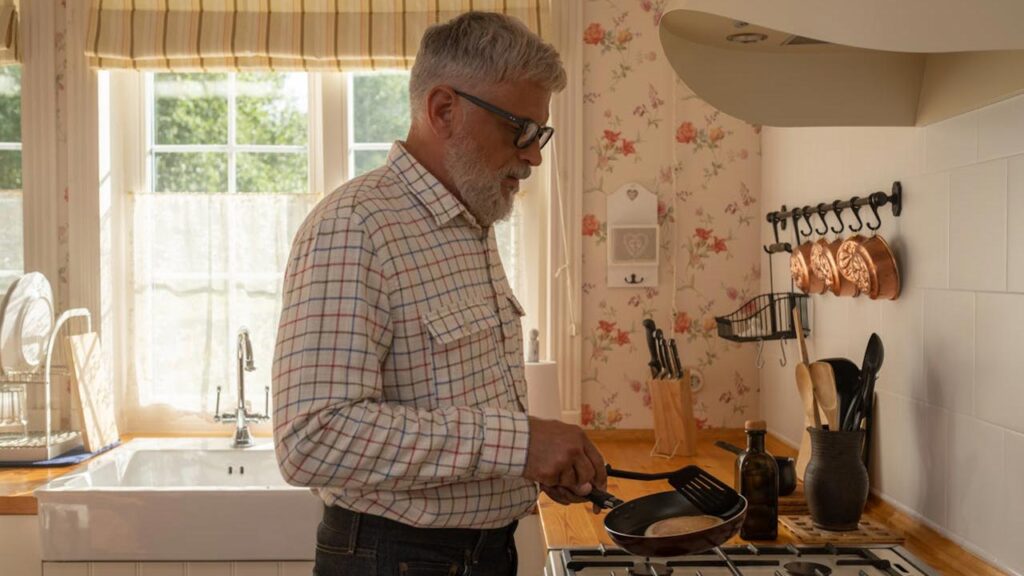
For many people, retirement removes the structure that defined daily life for decades. While the freedom can be appealing, some retirees find that a lack of routine leads to boredom or a loss of direction.
Part-time work can bring back a sense of schedule and purpose without recreating the demands of a full-time job. A few shifts each week strike a nice balance between personal freedom and staying productive.
Researchers at Harvard Health Publishing note that staying mentally and physically active later in life is associated with better cognitive health and improved overall well-being.
Personal Fulfillment

Beyond finances and structure, many retirees simply enjoy the sense of purpose that comes from continuing to work. Whether helping customers, contributing to a team, or learning something new, part-time work can make retirement feel more exciting.
Some retirees use this stage of life to explore opportunities they always found intriguing but never pursued during their primary careers. Others start small businesses, teach, or volunteer in roles that turn into paid opportunities.
In retirement, you can write your own ticket. For those who want to stay active and engaged, part-time work offers a way to support financial security while also contributing to better physical, mental, and social health.
