


Cryptocurrency has moved from a niche experiment to a global financial market worth trillions of dollars. Millions of Americans now hold digital assets, and interest in crypto continues to grow as new platforms and technologies emerge.
For first-time investors, the crypto market can be confusing and risky. Prices move quickly, scams remain common, and the rules governing digital assets are still evolving. Before investors invest in crypto for the first time, financial experts say they should follow several important principles that can help reduce risk and avoid costly mistakes.
Rule #1: Understand What You Are Actually Buying
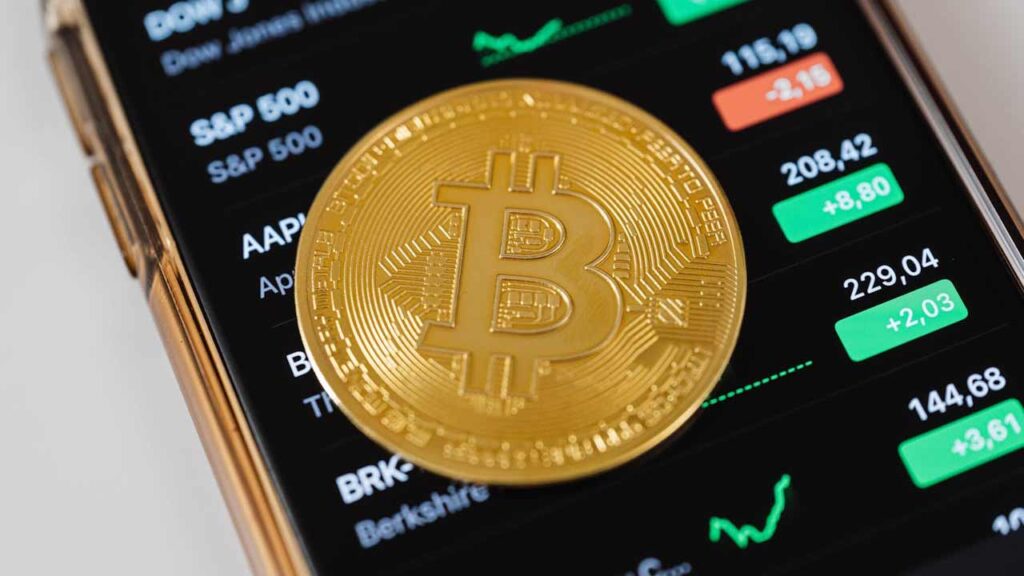
Many new investors purchase cryptocurrency without fully understanding how it works. At its core, cryptocurrency is a digital asset secured by cryptography and recorded on a distributed ledger called a blockchain.
Unlike traditional currencies, most cryptocurrencies operate without a central authority such as a bank or government. Crypto transactions are verified by decentralized computer networks, which record activity permanently on the blockchain.
Financial regulators consistently warn investors to understand the fundamentals of how cryptocurrency works before committing money. In simple terms, buying cryptocurrency is not the same as opening a savings account. Investors are purchasing a speculative digital asset whose value is determined largely by market demand.
Rule #2: Start With Established Cryptocurrencies

The cryptocurrency market now contains thousands of digital tokens, but only a small number have achieved long-term adoption and liquidity.
Bitcoin remains the largest cryptocurrency by market value and was the first to gain widespread recognition. Ethereum follows as the second largest network and introduced smart contracts, which allow developers to build decentralized applications on its blockchain.
Financial professionals often recommend that beginners focus on major cryptocurrencies first rather than chasing newly launched tokens. According to analysis from Chainalysis, many smaller digital assets experience extreme volatility and a higher rate of project failure.
While established cryptocurrencies can still fluctuate dramatically, they typically have deeper liquidity and longer track records than smaller altcoins.
Rule #3: Use Secure Wallets and Trusted Exchanges

Security is one of the most important considerations for investors when buying cryptocurrency. Digital assets are stored in crypto wallets that hold the private keys investors use to access their funds.
Wallets generally fall into two categories. Hot wallets are connected to the internet and allow convenient access for trading and transfers. Cold wallets store private keys offline, often on specialized hardware devices, and are considered more secure for long-term storage.
Investors must also choose a cryptocurrency exchange to make purchases. Platforms such as Coinbase, Kraken, and Gemini have built reputations for regulatory compliance and security protections within the United States.
Rule #4: Expect Volatility and Only Invest What You Can Afford to Lose

Cryptocurrency prices are known for dramatic price swings, and it is not uncommon for major tokens to gain or lose double digit percentages within a single day.
Because of this volatility, financial planners often recommend treating cryptocurrency as a speculative investment rather than a core component of a retirement portfolio. For beginners, a common rule of thumb is to allocate only a small portion of an investment portfolio to digital assets and avoid borrowing money to buy cryptocurrency.
Rule #5: Watch for Scams and Fraudulent Investment Schemes

Fraud remains one of the biggest risks for new cryptocurrency buyers. Digital assets can be transferred instantly and anonymously, making them attractive targets for scammers.
Investors should be cautious of anyone promising guaranteed returns, insider trading tips, or exclusive early access to new tokens. Legitimate investments rarely come with urgent pressure or promise quick profits.
Taking sufficient time to research projects, verify information from reliable sources, and protect private wallet keys can significantly reduce the risk of falling victim to fraud.
Cryptocurrency continues to evolve rapidly, and new opportunities may emerge as the technology develops. For first time buyers, however, following a disciplined approach remains the most effective way to navigate the market safely.
