


Secured credit cards are often the first real opportunity someone has to rebuild damaged credit or establish credit for the first time. They are simple by design, but the details matter. Understanding how they work, what they cost, and how to move on to a better card as quickly as possible is what determines whether a secured credit card is a temporary steppingstone or a long-term financial setback.
How Secured Credit Cards Work
A secured credit card requires a refundable cash deposit that typically becomes the card’s credit limit. If a cardholder deposits $500, for instance, then the credit limit is usually $500. That deposit reduces the lender’s risk, which is why secured cards are easier to qualify for than traditional unsecured credit cards.
Most major secured cards report payment activity to all three credit bureaus: Experian, Equifax, and TransUnion. According to the Consumer Financial Protection Bureau, consistent on-time payments and low balances are the primary factors that help improve a credit score over time.
Unlike prepaid debit cards, secured cards function like traditional credit cards. Cardholders can carry a balance, are charged interest on that balance, and must make at least the minimum monthly payment. Responsible use builds a payment history, which makes up 35 percent of a FICO credit score, according to FICO.
What Secured Credit Cards Actually Cost
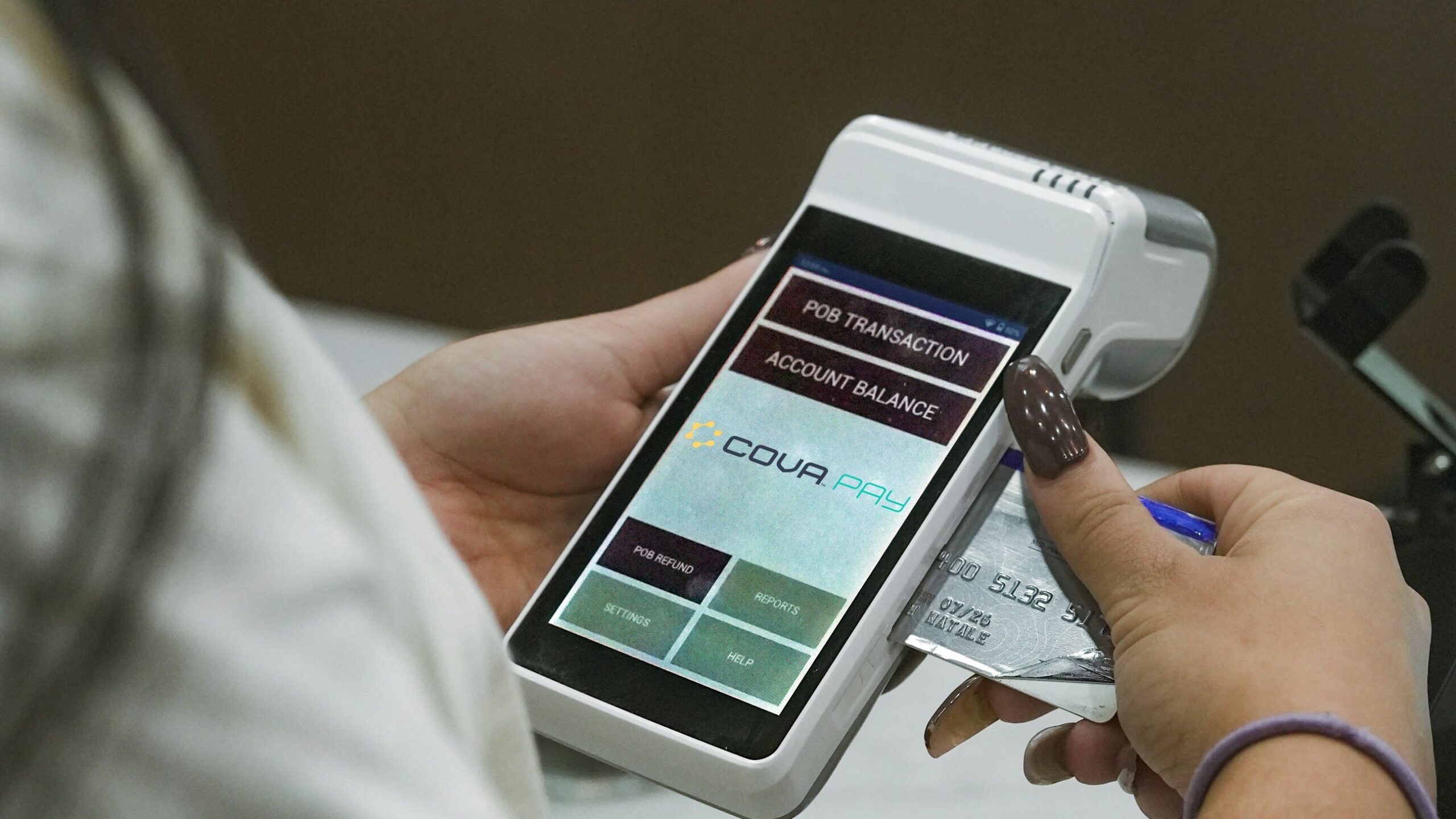
The upfront deposit is the most obvious cost, but it is not technically a fee. It is refundable when the account is closed in good standing or when the card issuer upgrades the account to unsecured status.
The real costs come from fees and interest. Many secured cards charge annual fees that typically range from $0 to $49, although some subprime-focused cards may charge more. The average annual percentage rate for secured cards often exceeds 25 percent, according to recent industry analysis from CreditCards.com. Carrying a balance can therefore become expensive quickly.
Other potential costs include foreign transaction fees, late payment fees that can reach $30 or more, and in rare cases monthly maintenance fees. The Federal Deposit Insurance Corporation (FDIC) advises consumers to review the Schumer box carefully so that they understand total borrowing costs before applying for a secured credit card.
For cardholders who pay their statement balance in full every month, interest charges are avoided entirely. In that case, the only true cost may be an annual fee, if the card charges one.
Who Should Consider a Secured Card
Secured cards are best suited for individuals with limited or damaged credit histories. This includes young adults with no prior credit accounts, consumers rebuilding after bankruptcy, and recent immigrants who do not yet have a U.S. credit file.
They are not ideal for someone who already qualifies for an entry-level unsecured card. Many major issuers now offer unsecured cards designed for fair credit profiles. Checking for prequalification options can prevent unnecessary deposits.
Still, for consumers who have been denied for credit cards elsewhere, a secured card can provide access to the credit system at a relatively low barrier to entry.
The Fastest Way to Graduate to an Unsecured Card

Graduating from a secured to an unsecured card typically takes between six and 18 months, depending on the issuer and on the cardholder’s behavior. Some major issuers such as Capital One and Discover automatically review secured accounts for upgrade eligibility after as little as seven months of responsible use.
The fastest path to graduation follows three consistent rules:
First, make every payment on time. Payment history carries the greatest weight in credit scoring models. Even one 30-day late payment can significantly delay progress.
Second, credit utilization should remain low. The Experian credit education center recommends keeping balances below 30 percent of the credit limit, though many credit experts suggest staying under 10 percent. On a $500 secured card, that means keeping the reported balance below $150, and ideally closer to $50.
Third, avoid applying for multiple new credit accounts during the rebuilding phase. Each application can trigger a hard inquiry, which can slightly lower a score and signal risk to lenders.
Cardholders should also monitor their credit reports regularly through AnnualCreditReport.com, which is the federally authorized site that provides free weekly credit reports. Tracking progress helps determine when it may be time to request an upgrade or apply for an unsecured card.
When credit scores move into the mid 600s or higher, the chances of getting approved for unsecured cards improve significantly. At that point, consumers can either request a product change from their current issuer or apply elsewhere. If applying elsewhere, it is generally wise to keep the secured account open until the new card is active to avoid shortening credit history length, which could adversely affect credit scores.
What Happens to the Deposit
Once upgraded to an unsecured card, the security deposit is typically refunded as a statement credit or direct deposit. Policies vary by issuer, so reviewing the card agreement is important. Some issuers require the account to remain open for a minimum number of months before eligibility for refund review.
If the cardholder closes the account in good standing without upgrading, the deposit is refunded after any remaining balance is paid in full.
Bottom Line
Secured credit cards are not glamorous financial products, but they serve a specific and important purpose. They provide access to credit for consumers who might otherwise be shut out of the system or for those seeking to establish credit for the first time. The key is to treat these cards as a temporary tool rather than a permanent solution.
By paying on time, keeping balances low, and monitoring credit progress, most responsible users can transition to an unsecured card within a year. When used strategically, a secured card is less about the deposit and more about building the financial track record that opens doors to better rates, higher limits, and stronger borrowing options in the future.
