


Gold had a remarkable run in 2025, climbing to record territory and reminding investors why the metal has held a place in portfolios for generations. While stocks and cryptocurrencies often dominate headlines, gold quietly continues to play a critical role in diversification, wealth preservation, and risk management.
Even after its strong performance, many analysts say the case for owning gold remains intact. From central bank demand to persistent inflation risks, several forces continue to support the metal. Here are seven reasons gold still deserves consideration in portfolios moving forward.
1. Central Banks Are Buying Gold at Historic Levels

One of the strongest structural supports for gold has been central bank demand. According to data from the World Gold Council, global central banks have purchased record amounts of gold in recent years as countries aim to reduce their dependence on the U.S. dollar.
Emerging economies in particular have been increasing their gold reserves as a hedge against currency volatility and geopolitical uncertainty. When institutions responsible for national reserves accumulate gold at this pace, it often signals long-term confidence in the metal’s stability.
2. Gold Remains One of the Most Reliable Inflation Hedges
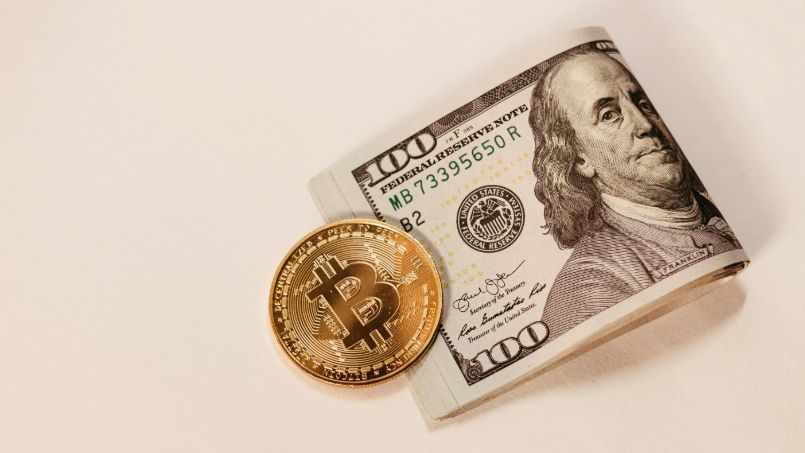
Inflation has cooled compared with its peak levels earlier in the decade, but it remains a concern for households and investors alike. Gold has historically helped preserve purchasing power by providing a hedge against inflation.
Research from the Federal Reserve Bank of St. Louis shows that gold has often held its value during periods when inflation eroded the real value of cash. For investors worried about the long-term effects of inflation, gold continues to offer a potential buffer.
3. Gold Helps Diversify a Traditional Portfolio

Diversification remains one of the most widely accepted principles of investing. Gold historically has had a relatively low correlation with stocks and bonds, which means it often behaves differently than these asset classes during periods of high market volatility.
The U.S. Securities and Exchange Commission emphasizes diversification as a core strategy for reducing portfolio risk. Adding a modest allocation of gold to a portfolio can help smooth overall portfolio performance during periods of market stress.
4. Geopolitical Uncertainty Continues to Support Demand

Periods of geopolitical tension often push investors toward assets perceived as safe havens, a strategy known as the “flight to safety”. Gold has historically benefited from this trend.
During major global events such as financial crises, military conflicts, or currency instability, demand for gold frequently increases as investors seek assets that are not tied to any single government or financial system.
5. Gold Has a Limited and Predictable Supply
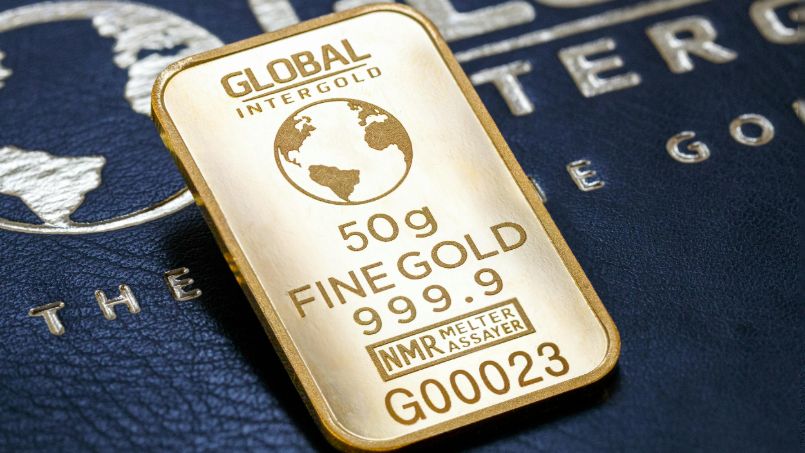
Unlike fiat currencies that can be expanded through monetary policy, the supply of gold grows slowly. Mining production adds only a small percentage to the global supply each year.
This scarcity contributes to gold’s long-term value. Because supply cannot rapidly expand, the metal tends to maintain purchasing power over extended periods.
6. Gold Is Highly Liquid Worldwide
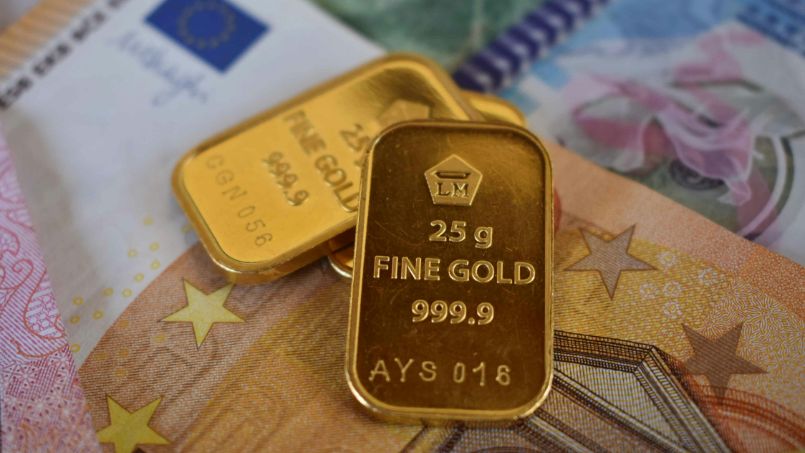
Gold trades around the clock in global markets and is widely recognized across financial systems. Investors can access the metal through physical bullion, exchange traded funds, mining stocks, and futures markets.
That global liquidity makes gold relatively easy to buy or sell compared with many alternative assets.
7. Technology and Industry Continue to Drive Demand

Gold is not only a financial asset; it is also used in electronics, aerospace technology, medical devices, and renewable energy equipment because of its resistance to corrosion and its exceptional conductivity.
According to the U.S. Geological Survey, industrial demand for gold continues to account for a meaningful portion of its global consumption, supporting the metal beyond investment demand alone.
While no investment is guaranteed to perform well every year, gold continues to offer a combination of diversification, stability, and global demand that few other assets can match. For investors seeking balance in an uncertain world, that combination remains difficult to ignore.
