


Billionaire investor Ray Dalio has warned that the economic direction of the United States could shift significantly depending on how major policy proposals reshape trade, government spending, and international relations. The Bridgewater Associates founder believes that certain elements of President Donald Trump’s economic agenda could push global markets toward conditions that resemble earlier periods of intense economic rivalry and protectionism.
On LinkedIn, Dalio warned that the world is moving into “a period of great power conflict and economic fragmentation,” where policy decisions around trade and national interests play a much larger role in shaping markets.
Investors should be aware of these trends and their implications. These shifts could have real consequences for stocks, inflation, and the structure of global trade.
Lessons From the Economic Upheaval of the 1930s

Dalio frequently compares the current economic trajectory with the economic turbulence of the 1930s. That decade followed the stock market crash of 1929 and the onset of the Great Depression, when global unemployment soared and international trade collapsed. Protectionist legislation, such as the Smoot-Hawley Tariff Act, sharply increased tariffs on imported goods and triggered retaliation from other countries.
The Peterson Institute for International Economics notes that world trade fell by roughly two thirds between 1929 and 1934. Those policies intensified economic contraction and fractured international cooperation. The resulting instability reshaped financial markets, currencies, and geopolitical alliances for decades.
Dalio often refers to that period as a reference point. He notes that “when countries become more protectionist and nationalistic, it changes how capital, goods, and people move around the world,” which can lead to volatility across markets.
Ray Dalio’s Concerns About Modern Economic Policy
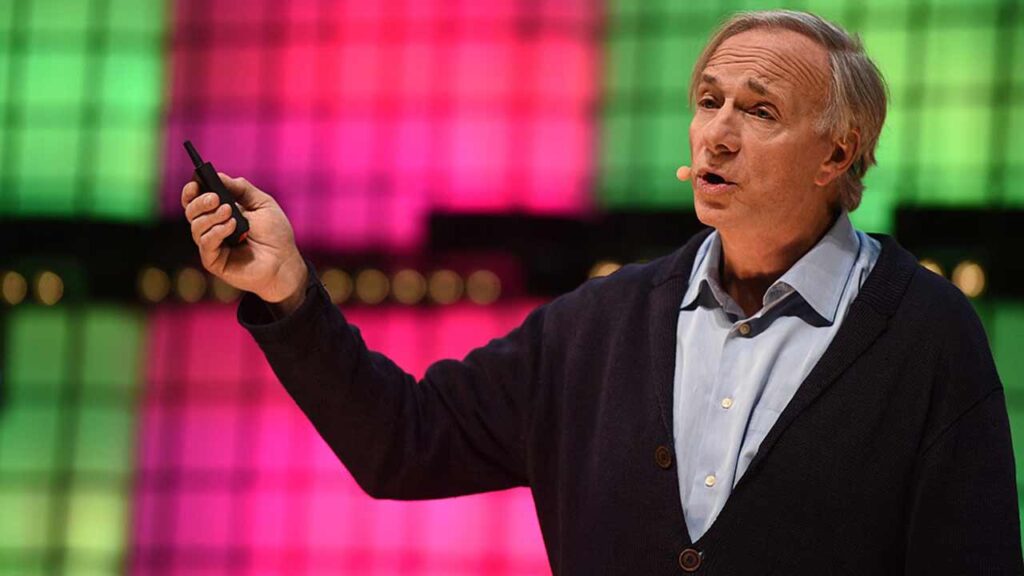
Dalio has repeatedly warned that rising geopolitical competition and protectionist policies could push the global economy toward a period of economic fragmentation, leading to the rise of deglobalization. He has written that “we are seeing a shift from a cooperative global system to a more self-sufficient, competitive one,” as countries prioritize domestic stability and strategic advantage.
Some of the proposals discussed within Trump’s economic agenda include expanded tariffs on imported goods, a stronger focus on domestic manufacturing, and a more confrontational trade posture toward economic rivals. Supporters argue these policies could strengthen American industries and reduce reliance on foreign supply chains. Critics warn they could disrupt global commerce and raise costs for businesses and consumers.
Dalio’s concern centers on how those shifts could ripple through financial markets. As he has noted, “conflicts over trade and capital flows can have significant effects on earnings, costs, and investment decisions across economies.”
How U.S. Markets Could Be Affected
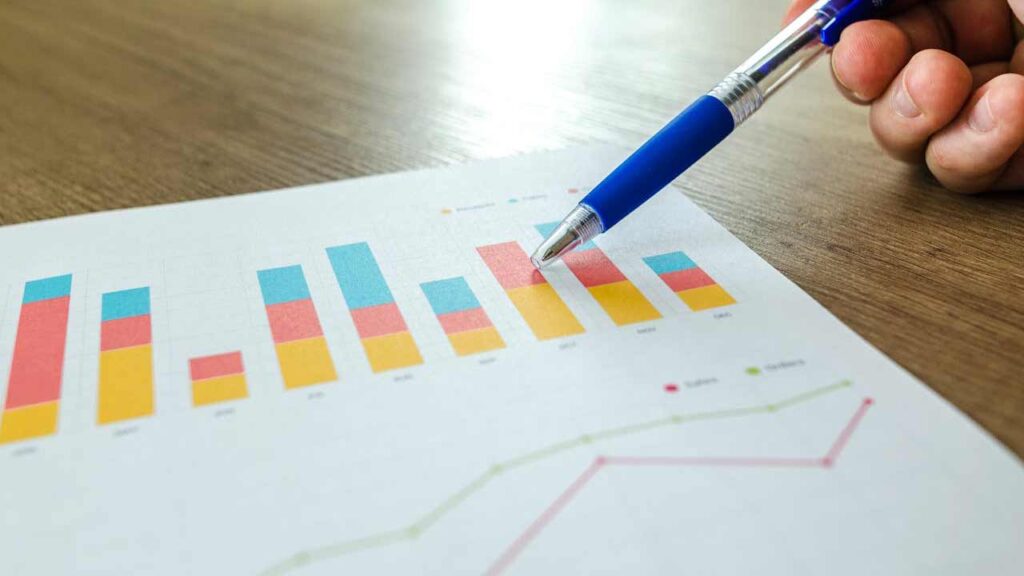
For investors, policy changes around trade and fiscal spending often translate quickly into market movements. Tariffs can raise input costs for companies that rely on imported materials, which may reduce profit margins or push businesses to raise prices, potentially leading to high inflation. Dalio has warned that “when costs rise due to these kinds of policies, they tend to feed into inflation dynamics,” which can influence interest rate expectations and monetary policy decisions. Additionally, economists at the Brookings Institution have noted that tariffs often act as a tax on domestic consumers and companies.
Currency markets could also respond to significant policy changes. If trade disputes intensify, the U.S. dollar may strengthen as investors seek safe assets, though long-term outcomes depend on global capital flows and economic growth. Meanwhile, multinational corporations listed on major stock market indexes, such as the S&P 500, could face greater volatility if global demand shifts or supply chains are restructured.
Why Global Trade Still Matters
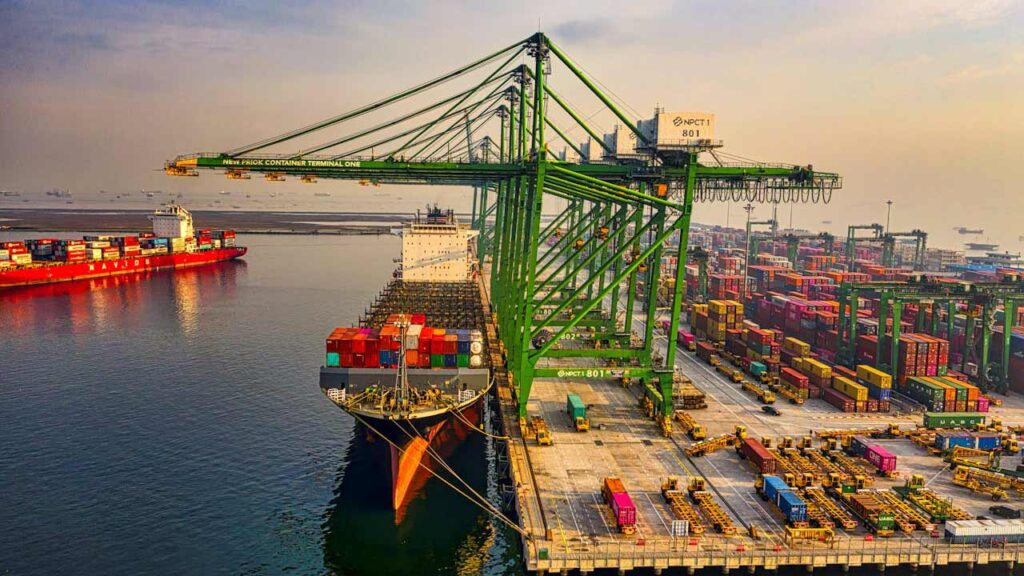
Despite ongoing trade tensions, the global economy remains deeply interconnected. According to data compiled by the World Trade Organization, international trade continues to represent a significant share of global economic activity.
This level of interdependence means major policy changes in the United States can ripple across markets worldwide. A shift toward more protectionist policies could encourage companies to relocate manufacturing, diversify suppliers, or rethink global investment strategies.
At the same time, many economists argue that globalization has helped reduce production costs and expand market access for businesses. Maintaining some degree of international cooperation is widely viewed as essential for financial stability and long-term growth.
What Investors Are Watching Next
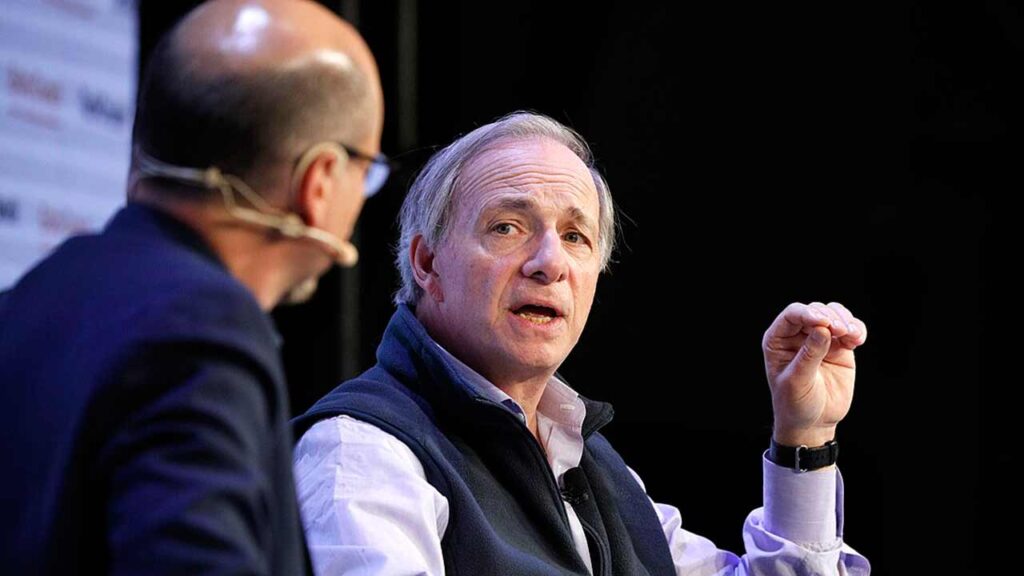
Market participants are closely monitoring how economic policy debates evolve. Investors tend to focus on several key indicators when evaluating potential policy shifts, including trade negotiations, fiscal spending plans, and the Federal Reserve’s response to inflation pressures.
Dalio has emphasized that large economic transitions rarely occur overnight, noting that “these shifts happen gradually and then suddenly,” as structural pressures build across the system.
Whether U.S. policy ultimately leans toward deeper globalization or stronger economic nationalism could play a major role in determining how markets perform in the years ahead. As Dalio frequently notes, the intersection of politics and economics has historically been one of the most powerful forces shaping the global financial system.
