


Traders on the floor of the New York Stock Exchange broke into applause just after 4 p.m. on April 8, 2026, as the closing bell sealed Wall Street’s strongest single-day rally in more than a year. The catalyst: a two-week ceasefire between the United States and Iran that yanked crude oil prices lower overnight and sent stock futures surging before most Americans had poured their morning coffee.
The Dow Jones Industrial Average climbed 1,325.46 points to close at 47,909.92. The S&P 500 added 165.96 points to reach 6,782.81, and the Nasdaq Composite gained 617.15 points to finish at 22,635.00. All three indexes touched levels not seen before, according to end-of-day data from the Associated Press and S&P Dow Jones Indices. (Note: the AP link cited here has not been independently confirmed as live, so readers should verify it directly.)
The rally rewarded investors who had white-knuckled their way through weeks of escalating tensions in the Middle East. But the truce is only 14 days long, no public text of the agreement has been released, and oil markets are still sorting out where prices actually settled. Relief, in other words, is not the same as resolution.
What is verified so far
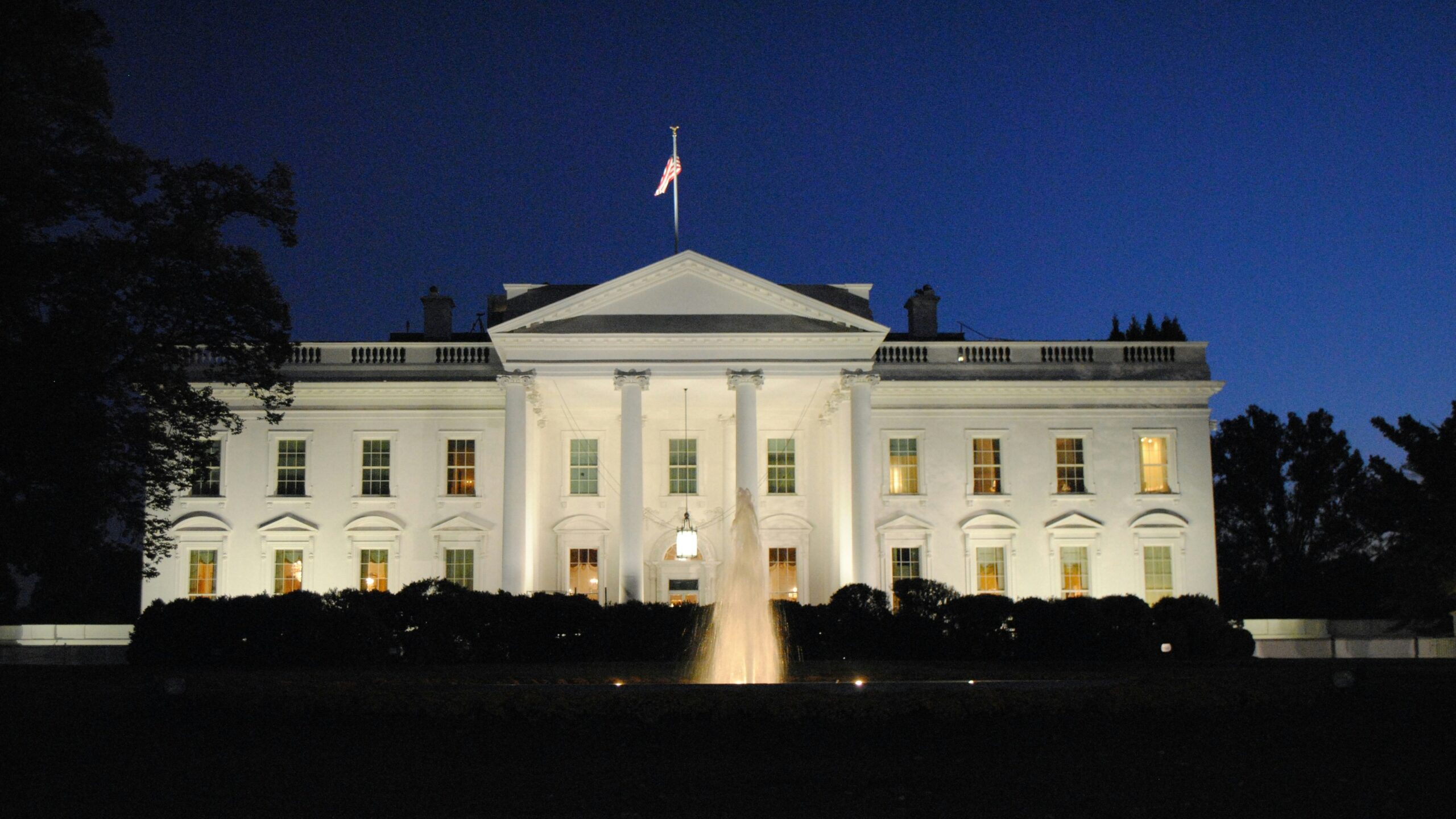
The ceasefire announcement came from three distinct parties, giving it more weight than a unilateral gesture. Iran’s Supreme National Security Council said it had accepted the two-week pause. The White House confirmed that Israel had agreed to the same terms. A U.S. official, speaking on condition of anonymity, told reporters that American military operations were halting immediately. The anonymous sourcing on that third point means the claim of an immediate operational halt carries less weight than the on-the-record confirmations from Tehran and Washington, though the three-sided structure is what allowed markets to treat the news as credible rather than aspirational.
The reaction began well before the opening bell. Dow E-mini futures jumped 1,181 points in premarket trading, S&P E-minis rose 176.75 points, and Nasdaq 100 E-minis surged 852.25 points, according to Reuters data reported early that morning. By the time the cash session opened at 9:30 a.m. Eastern, much of the repricing was already underway.
Once regular trading began, the advance spread well beyond the handful of mega-cap tech stocks that often dominate headline moves. Financials, industrials and travel-related names led the charge as money rotated into sectors most sensitive to global growth and energy costs. The breadth of the rally suggested something more than a technical bounce: investors were actively unwinding the defensive positioning they had built up during weeks of Strait of Hormuz anxiety.
What remains uncertain
Oil’s landing spot is murkier than the equity numbers. One widely cited report put benchmark U.S. crude at $94.41 per barrel, down roughly 16%. A separate Reuters commodity update recorded WTI May futures falling $12.04 to $100.90 as of 2251 GMT on April 7. The gap likely reflects different contract months or different settlement windows. Neither figure is linked to a primary exchange source in available reporting, and neither source URL has been provided in the underlying articles, so readers should treat any single crude number with caution until official exchange settlement records are published. The direction, though, is not in dispute: crude dropped hard on the ceasefire news.
For consumers, the immediate question is whether cheaper oil will translate into lower gasoline prices and softer inflation readings in the weeks ahead. Energy costs have been the single largest driver of headline inflation over the past two months, and a sustained pullback in crude could give the Federal Reserve more room to hold rates steady. But “sustained” is doing a lot of work in that sentence. A two-week truce is not a peace deal.
Even on a day this strong, there were signs that traders understood the fragility. Intraday gains were trimmed during the session, according to the Associated Press, as some participants locked in profits or bought downside protection. That pattern points to a market that is breathing easier but still sleeping with one eye open.
The political backdrop adds another layer of doubt. U.S. officials and diplomats have described the ceasefire as a window for further negotiations, not a comprehensive settlement. Hardliners on multiple sides could use the pause to regroup rather than compromise, a scenario that would put pressure right back on shipping lanes, energy infrastructure and global risk appetite.
What to watch next
In the near term, energy markets will serve as the clearest barometer. A steady drift lower in crude over the coming days would signal growing confidence that supply routes through the Strait of Hormuz are secure. A quick rebound would suggest the opposite.
Investors will also be watching for any public details about follow-on talks. So far, the terms of the ceasefire have been communicated only through official statements and anonymous briefings. A published framework, or even a named negotiator willing to speak on the record, would go a long way toward convincing markets that the truce has substance behind it.
For now, Wall Street’s biggest one-day jump in more than a year reads less like a verdict on peace and more like a collective exhale after weeks spent bracing for something far worse.
