


Key Takeaways
- Promptly file home insurance claims to minimise delays and avoid claims being denied.
- Take photos, videos, receipts and repair estimates for storm damage before the cleanup works are started.
- Carefully read the homeowners insurance policy and learn about their deductibles, exclusions and coverage limits.
- When claiming, be sure to document every conversation, contractor’s estimate and unexpected repair bill.
- If the insurance company is offering a low settlement offer and/or refusing to pay, think about hiring a public adjuster or storm damage attorney.
Introduction
A house can suffer from a great deal of damage from a storm, including roof leaks, water damage, broken windows and structural damage. Properly filing a homeowners insurance claim can help homeowners get money to repair more quickly and avoids claim disputes.
This guide will explain how to document the damage, how to contact the insurance company, how to deal with the insurance company’s adjusters and how to get all the insurance money you can after a natural disaster.
Understanding Your Coverage
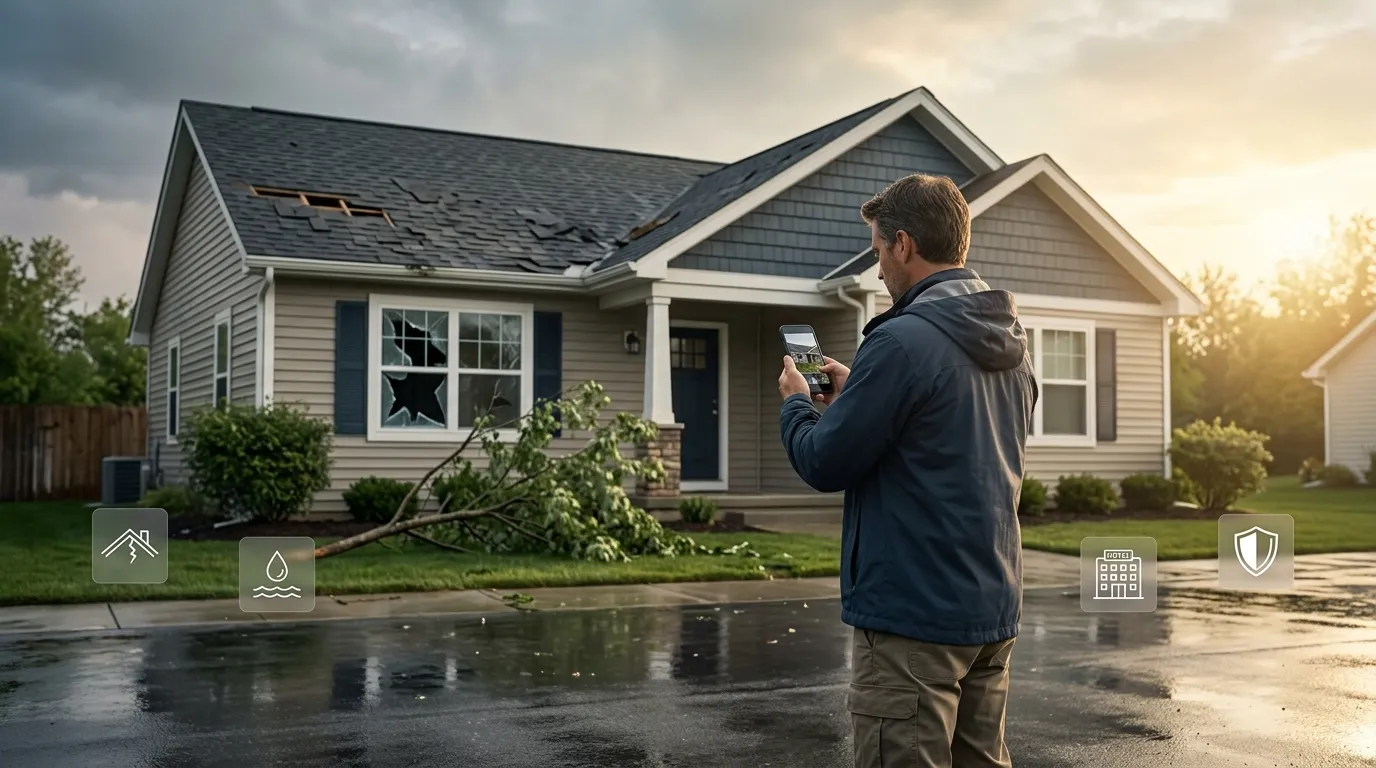
Does Homeowners Insurance Cover Storm Damage?
Yes, homeowners insurance typically will cover storm damage from wind, hail, lightning, fallen trees and sudden water intrusion. The extent of coverage will vary according to the nature of the disaster or the wording of the policy.
Most policies provide coverage for the damage to the structure, property, temporary living expenses and emergency repairs in case the damage was caused by a covered event.
What’s Usually Covered
Typically roof damage, siding damage, broken windows, water damage from the rain seeping in through holes created by the storm and any damage from lightning or power surge. Most policies also cover personal items in the house, detached garages, fences, sheds and more.
Loss of use coverage can be used to cover the cost of a hotel, meals and temporary housing when the property has been rendered unlivable by a natural disaster. Some insurers offer apps like Alfa2Go or Nationwide claim tracking systems to ease policyholder hassles of uploading documents and tracking claims.
Replacement Cost coverage is typically used to cover the cost to replace damaged property with comparable materials. The Actual Cash Value (ACV) coverage pays the depreciated value of damaged items as opposed to replacement value.
Common Exclusions and Special Provisions to Watch For
Most homeowners insurance policies exclude flooding caused by water rising. Flood insurance may be needed in high-risk areas. If the insurance carrier believes that the homeowner was responsible for not preventing secondary water damage from the storm, mold damage may also be denied.
Typical exclusions include wear and tear, maintenance issues, termite damage, and old roofing materials. Often times, insurance companies will refuse to pay for claims if roof deterioration was present prior to the storm. Wind vs water exclusion disputes have been a regular occurrence after hurricanes and severe storms.
There could be hurricane deductibles, named storm deductibles in coastal areas. These deductibles may be in percentages, rather than dollar amounts.
What Is and Isn’t Typically Covered Under a Home & Property Claim
| Typically Covered Perils | Common Policy Exclusions |
|---|---|
| 💨 Wind-induced damage on roofs and sidings | 🌊 Water flowing into the house from the ground floor |
| 🧊 Damage to shingles and gutters from hail | 🚽 No coverage for sewer backup lines |
| 💧 Roof leaks due to storm impact leading to water damage | 🦠 Mold growth occurring over time from lack of cleanup |
| 🌲 Damage caused by trees falling on the structure | 🏚️ Pre-existing structural issues or layout deterioration |
| ⚡ Lightning-related electrical and power surge damage | 🛠️ General maintenance neglect or wear and tear |
| 🪟 Smashed or collapsed windows and building elements | 🪵 Cosmetic roof damage exclusions (non-functional limits) |
Typical home insurance coverage claim typically relates to sudden and accidental damage brought on by a covered peril. Claims for damage due to storms typically include:
- Wind induced damage on roof/ sidings
- Damage to the shingles and gutters from hail.
- Leakage in roofs due to storm impact leading to water damage.
- Damage caused by trees that have fallen on the structure.
- Damage from fallen trees on the structure.
- Lightning-related electrical damage
- Smash and collapse windows and buildings.
Typical policies typically don’t include coverage for:
- Water flowing in into the house from the ground floor.
- No coverage for sewer backup
- Mold growth which can occur over time when mold is not cleaned up.
- Pre-existing structural issues
- Maintenance neglect
Know What’s Covered and What’s Not
Read the declaration and policy language before a claim is filed. The homeowner should review coverage limits, coverage exclusion, deductible amounts, and time limits to report damage. Information and advice from insurers about insurance tools and guidance can be helpful for understanding insurance coverage.
Some policies also have roofing materials cosmetic damage exclusions. Cosmetic exclusions limit an insurer’s payments if damage to a roof is cosmetic, meaning it does not compromise its ability to function.
Be Aware of Regional Factors
Coverage needs and claims processing are influenced by the regional weather conditions. Often, homeowners in Texas, Florida and Gulf Coast states will have more stringent hurricane deductibles and windstorm coverage. Special roof endorsements may be necessary in the areas where hail storms are common.
Smoke and ash restrictions apply to different areas in situations where there is risk of wildfire. State-supported pools may be available for homes located on the coast that need protection from windstorms.
A Note About Deductibles
A deductible is the money that the home owner must pay before the insurance coverage is active. The $2,000 deductible states that the insurance company will only cover the losses that exceed $2,000. The deductibles for some disaster policies are as high as 1% to 5% of the value of the property covered by the policy.
Before filing a small claims application, homeowners should look at the cost of repairs and decide on a deductible amount. If claims happen often, the cost of insurance could go up or coverage may be denied at renewal time.
Immediate Steps After a Disaster
| Step Phase | Immediate Action Required | Purpose & Target |
|---|---|---|
| 1️⃣ Ensure Safety | Evacuate if there is structural damage, exposed live wires, gas leaks, or fire risks. Keep children and pets away. | Protect family members from unstable areas. |
| 2️⃣ Limit Loss | Take safe steps to prevent secondary water or wind damage. Fasten loose sidings or exterior debris. | Fulfills policyholder policy duties. |
| 3️⃣ Tarp & Seal | Deploy heavy-duty tarps on exposed roofs. Board up broken windows with plastic sheeting or wood panels. | Prevents internal rain or wind exposure. |
| 4️⃣ Pump & Dry | Start pumping standing water out as soon as possible. Move endangered furniture off of wet carpet surfaces. | Minimizes long-term mold exposure. |
| 5️⃣ Stop Overhaul | Do not commit to any permanent repairs until after complete adjuster reviews and evidence tracking are complete. | Secures complete reimbursement safety. |
Ensure Safety
Protection is the first priority following a disaster; protection of people in the home. Evacuate the premises as soon as possible if there is any structural damage, exposed live electric wires, gas leaks, flooding around electric outlets or potential fire.
Aerial photographs may be used to help make a decision for residents to re-enter the property after severe damage to the structure. Avoid having children or pets in unstable areas.
Prevent Further Damage
If a storm has caused damage, it is the homeowner’s responsibility to take reasonable steps to prevent further damage. Insurers want the policyholder to minimise the continuing loss, if there is safe action to do so.
Make Temporary Repairs
Temporary repairs prevent water from entering the structure and cause further damage. When there is a loss of roofing materials, it may be necessary to tarp before the adjuster arrives. Receipts for board up and temporary fence for safety should be kept to be reimbursed.
Unless the-homeowner must take the action for safety reasons, permanent repairs should not be done prior to documentation and adjuster review.
Help Protect Your Home from Wind Damage
Loose materials such as debris, broken limbs, damaged fences or roof materials should be fixed to minimize further wind exposure. Use heavy-duty tarps to cover exposed areas of roof and tighten loose siding panels.
Protecting Windows Is a Priority
When windows are broken, water will seep in and storm exposure will be increased. Damage to the interior is minimized by boarding windows and sealing openings. Plastic sheeting can be used on a temporary basis during emergencies.
Other Areas Warrant Protection
It’s important to start pumping water in as soon as possible to minimize mold exposure. Eliminating the need to remove wet wallboard can prevent problems with the removal process and internal damage to the structure caused by drying it on the inside after a flood. In the event of damaged furniture, remove from wet surfaces whenever possible.
Document the Damage
⚠️ Evidence Required Prior to Cleanup Work
- Visual Logs: Wide-angle and close-up photos or videos of exterior structures, roof surfaces, and interior rooms.
- Itemized Inventory Descriptions: Complete tracking sheets detailing damaged personal items and general characteristics.
- Value Identification Proofs: Approximate replacement costs, estimated purchase dates, and hardware serial numbers.
- Hidden Damage Identifiers: Close-up visuals targeting moisture in attics, warped floors, roof cracks, and soaked insulation.
- Contractor Sourcing Paperwork: Independent repair estimates, specialized roofer quotes, and local inspection details.
One of the most critical steps in the storm damage claim process is to accurately document damage insurance claims.
Why Early and Accurate Documentation Matters
Photos, videos, receipts and inventories are all used by the insurance company to calculate the amount of insurance payout. Conditions are documented early so as to document conditions prior to cleanup efforts.
Homeowners should take photographs of all the affected rooms, exterior surfaces, roof surfaces and any damaged personal item. Drone aerial photography can aid in the assessment of roof damage and property damage on a large scale.
Keep a Detailed Record
A detailed inventory helps to more accurately determine claims. It is important for homeowners to take steps to prepare a written inventory that includes:
- Damaged items
- Estimated purchase dates
- Approximate replacement costs
- If you have serial numbers, please include them.
- Construct repair estimates and quotes for contractors.
All claim numbers, adjuster contact info and communications should be kept in a single folder.
Documenting Damage for Insurance Claims
Take wide-angle and close up pictures. Video walk-throughs are useful in communicating the entire disaster situation. Record hidden damage following storms like ceiling stains, warped floor, cracked shingles, moisture in the attic, and soaked insulation.
It is crucial to distinguish storm damage from wear damage since the effects of storm damage may be denied by insurers if the damage is from age or wear.
Contact Your Insurance Company
Promptly contact the insurance company after storm damage. Most insurance companies have claim hotlines, online claim reporting and mobile apps which allow claims to be made at any time of the day. The faster the filing, the sooner the inspection and repairs are completed.
Provide:
- Policy number
- Date of storm
- General damage description
- Emergency repair details
- Contact information
The insurance will give you a claim number and make an appointment for an adjuster appointment.
Review Your Insurance Policy
Discuss the policy in detail before talking to the adjuster. Knowing about the policy vocabulary can assist and assist homeowners in knowing what is covered and what isn’t. Be mindful of deadlines for submitting proof of loss and for supplemental claims.
Stay Organized and Keep Receipts
Reimbursable Emergency Expenses
All costs of emergency repairs, temporary housing, debris removal and contractor services should be recorded. Insurance companies will reimburse emergency costs if they are reasonable.
Receipts should include:
- Hotel stays
- Cost of food for IDPs.
- Tarping services
- Water mitigation work
- Emergency electrical repairs
- Temporary storage fees
Be Aware of Scammers
Scams related to storms are more prevalent post-disaster. Damage neighborhoods are often the target of fraudulent roofing contractors and fake public adjusters.
Signs of trouble are initial demands for full payment, pressure for immediate signing of contracts, and waivers of deductibles that are illegal. Check with contractors for licensing and insurance before entering into agreements.
| Step | Action Required | Purpose |
|---|---|---|
| 1 | Ensure safety | Protect family members |
| 2 | Prevent further damage | Reduce additional losses |
| 3 | Document damage | Support the insurance claim |
| 4 | Contact insurer | Start claim process |
| 5 | Meet adjuster | Evaluate property damage |
| 6 | Review settlement | Confirm fair payout |
Filing the Claim
Start the Process Promptly
Promptly file homeowners insurance claims after the storm. The delays will make it difficult to conduct the inspections and can lead to conflicts on secondary damage. Some states and insurance companies have a time limit for claims.
How to File
The majority of insurers offer claims via phone, web-based sites or mobile app systems. Typically, it entails:
- Reporting the loss
- Uploading documentation
- Scheduling inspections
- Submitting repair estimates
- Reviewing settlement offers
Filing the Claim
The claim form should have correct information regarding the incident, damaged property, emergency repair, and loss estimates. Misinformation or exaggeration can result in denied claims, fraud investigations.
File Your Claim
Once you submit the paperwork, be sure to keep in touch with the adjuster. It is important for homeowners to ensure that any settlement discussions and conversations are in writing.
What to Expect During the Claim Review
Claim review comprises of inspections, documentation analysis, comparison of repair estimates and policy review.
How Adjusters Evaluate Damage
Insurance adjuster assesses the damage caused by the storm damage. Adjusters investigate roofing materials, siding, gutters, interior water damage, structural movement and damaged property.
Adjusters will compare the damage with the maintenance history and the previous inspection.
Where possible, have homeowners attend inspections. It is advisable to have both the roofer and adjuster inspect the damage in the same time frame so that they can pinpoint areas of contested damage.
Understanding Settlement Offers
Settlement offers could consist of depreciation deductions, deductible calculations and coverage limitations. Actual Cash Value policies will deduct the depreciation of the vehicle based on its age and usage. In most cases, Replacement Cost policies will pay more once repairs are done.
Errors in the repair estimate are a result of lowballing, or when the extent of the damage is not fully captured. Before taking payments from homeowners, duly consider the estimates.
Dealing with Adjusters
Adjusters’ claims are a process that calls for organization and patience. Homeowners need to be clear, be able to get documentation of any communication promptly and have record of all communications.
The homeowners then can ask for another inspection or supplemental review in the event of any disagreement. Independent contractor estimates can assist with conflicts over repair expenses.
Common Denied Claims
Denied claims common reasons include:
- Late reporting
- Lack of documentation
- Maintenance neglect
- Pre-existing roof deterioration
- Policy exclusions
- There was not enough evidence to show that the damage was caused by the storm.
If homeowners didn’t take immediate action to prevent any secondary water damage, insurance companies can refuse any water damage claims.
Get an Independent Storm Damage Assessment
Independent storm damage assessment services provide storm damage assessment that is independent of the insurance companies. During initial evaluations, a roofing contractor, engineer or independent inspector can detect hidden structural damage.
There are many times when after hail damage roof inspection reports will show bruised shingles, lifted flashing and moisture through the roof that is not detectable from the ground.
Get Multiple Contractor Estimates
The cost of repairs often differs from contractor to contractor. Several written estimates enable homeowners to recognize the sellers price which is too low and to question the pricing if it’s unreasonable.
The following should be on a contractor estimate:
- Material costs
- Labor costs
- The amount of money necessary to take the item out and dispose of it.
- Permit fees
- Timeline estimates
Consider Hiring a Public Adjuster
A Public Adjuster is an insurance company’s representative, but he works on the homeowner’s side. Public adjusters analyze insurance policies, determine the damage, negotiate settlement, and make sure to keep documentation in order.
The typical fee public adjusters charge is a percentage of the settlement total—this is known as a contingency fee. However, it is vital to hire public adjusters wisely as there are qualifications and experience that differ.
Get Legal Help for Your Storm Damage Claim
| Dispute Scenario | Insurer Tactic / Trigger Point | Legal Remedy Focus |
|---|---|---|
| Wrongful Denial | Blaming pre-existing wear and tear or misinterpreting wind vs. water exclusions. | Coverage Enforcement |
| Low Settlement | Applying extreme depreciation values or undervaluing real contractor repair labor costs. | Independent Appraisal |
| Coverage Delays | Stalling the inspection cycle or repeatedly asking for the same records until you give up. | Statutory Penalties |
| Secondary Damage | Refusing mold or environmental repairs, claiming the policyholder caused the delay. | Bad Faith Litigation |
A Storm Damage Lawyer can assist in cases where claims are denied, delayed or losses are not compensated for in full or when insurance companies practice bad faith. Daly & Black are firms that deal with litigation matters with regards to hail claims, business interruption claims and hurricane damage.
There are various elements involved in a Legal Assistance Storm Damage Claim that can include:
- Wrongful denial disputes
- Low settlement negotiations
- Coverage interpretation conflicts
- Delay-related damages
- Conflict over mould and flooding issues.Disagreements around mould and flooding.
Numerous companies have case review consultations which are free before any litigation starts.
| Storm Damage Type | Usually Covered | Common Exclusions |
|---|---|---|
| Wind Damage | Yes | Poor maintenance |
| Hail Damage | Yes | Cosmetic roof damage |
| Lightning Strikes | Yes | Old electrical systems |
| Flood Damage | No | Requires separate flood insurance |
| Mold Damage | Limited | Long-term neglect |
After the Claim Is Settled
Choosing a Roofing Contractor
A roofing professional should have the appropriate licensing, insurance and references from the area. Allowing storm-related roofing work will frequently involve permits and inspections.
In the case of homeowners, they should steer clear of contractors who demand complete payment before he/she starts work. Written contracts should detail:
- Scope of repairs
- Materials used
- Warranty information
- Payment schedule
- Cleanup responsibilities
Keep Records of Repairs
Repair records aid in claims and warranty issues and resale documentation. Maintain copies of invoices, contractor agreements, inspection reports and final payment receipts.
Consulting Legal Advice When Needed
When insurance companies deny supplemental claims, pay inordinate amounts of time for claims to process, or challenge the results of structural damage inspections, legal advice may be warranted. Each State has different deadlines for litigation. If legal action is needed, all communication should be retained by homeowners.
Preparing for Future Storms
Mitigating Roof Damage Risks
The fewer claims, the less the roof suffers in damage, which helps to reduce the number of future claims and repair expenses. Preventive maintenance puts the insurance company at ease about the property.
Homeowners should:
- Inspect roofs annually
- Don’t delay repairs to damaged shingles.
- Trees should be pruned to avoid being too close to buildings.
- Clean gutters regularly
- Tie down outdoor items prior to storms.
One type of roofing material that is impact resistant will decrease damage from hail and could save you money on insurance.
Reviewing and Updating Your Insurance Policy
The needs of insurance vary from time to time. It is important for homeowners to check coverage every year to make sure replacement costs are up-to-date.
Policy reviews should examine:
- Coverage limits
- Deductible amounts
- Flood insurance needs
- Mold endorsements
- Personal property coverage
- Temporary housing limits
State Farm, Nationwide, Progressive and a Insurance are a few insurance companies that offer policy review tools and digital claims.
Summary
