


Buying a home is one of the biggest financial milestones most Americans ever achieve. Buyers often focus on the purchase price and monthly mortgage payment, but the final bill at closing can trigger sticker shock due to a long list of additional expenses. These costs are known as closing costs, and they frequently catch first-time buyers off guard.
According to data from Bankrate, the typical homebuyer in the U.S. pays between 2 percent and 5 percent of the home’s purchase price in closing costs. On a $300,000 home, that can easily add up to around $6,000 or more, depending on factors like location, lender, and loan structure. Understanding the most common fees now can help buyers budget more accurately and avoid unpleasant surprises at the closing table.
1. Mortgage Application Fees

Many lenders charge an upfront fee simply to process a mortgage application. This amount helps offset the administrative work involved in activities like reviewing credit reports, verifying income, and preparing loan documentation.
Application fees typically range from $75 to $500, depending on the lender and loan type. While some financial institutions advertise low closing costs, these smaller administrative fees can pop up early in the process and add to the total amount a buyer pays before the loan is finalized.
2. Home Inspection Fees

A home inspection is not always required by lenders, but skipping it is usually not a good idea. In a home inspection, a professional inspector evaluates the property for red flags such as structural issues, electrical problems, roof damage, plumbing concerns, and other potential defects.
According to the National Association of Realtors, most home inspections cost between $300 and $500 depending on the size of the home and the local market. While it adds to the upfront tab, the inspection can prevent much larger repair bills after the deal is done.
3. Appraisal Fees

Mortgage lenders require an independent appraisal to confirm that the property’s value supports the loan amount. The appraiser analyzes comparable home sales in the area and inspects the property before arriving at a professional estimate of its market value.
Most appraisal fees fall between $300 and $700, depending on the property’s size and location. As explained by the Consumer Financial Protection Bureau, this fee is almost always paid by the buyer and is usually required before the loan receives final approval.
4. Title Search and Title Insurance
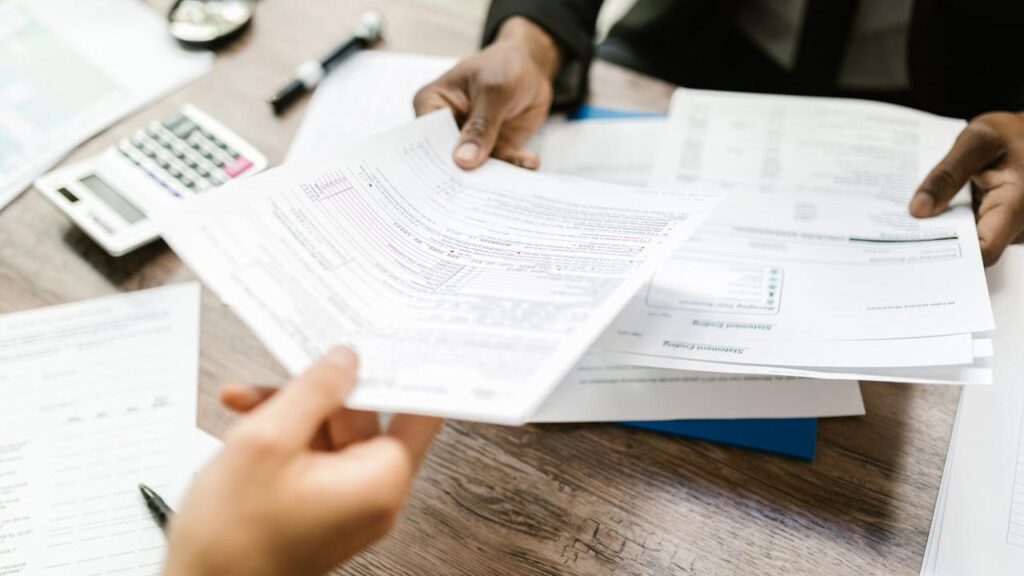
Before a property can legally transfer from one owner to the next, the title company performs a title search to ensure there are no complications such as outstanding liens, unpaid taxes, or legal claims against the property.
Title insurance is designed to protect both the buyer and lender from future ownership disputes rooted in past claims on the property. Combined, title services and insurance often run between $500 and $2,000 depending on the home’s price and state regulations.
5. Loan Origination Fees

The loan origination fee is one of the largest closing costs many buyers face. This charge compensates the lender for things like underwriting the mortgage, preparing documentation, and managing the loan approval process.
According to Freddie Mac, origination fees commonly land around 0.5 percent to 1 percent of the total loan amount, which can quickly add up. On a $300,000 mortgage, that translates to $1,500 to $3,000 tacked on to the bottom line.
6. Recording Fees

Local governments charge what’s known as recording fees to officially put the sale on the books. This step ensures that the buyer is recognized as the legal owner of the property.
Recording fees are usually smaller than other closing costs, but they still factor into the total. Most buyers pay between $100 and $300, depending on the county and number of documents recorded.
7. Transfer Taxes

Transfer taxes are imposed by many state and local governments when property ownership changes hands. These taxes vary significantly by location and can sometimes represent one of the largest line items in closing costs.
In some states, the tax may be only a few hundred dollars, while in others it can reach thousands depending on the home’s value. Buyers and sellers sometimes hash out who will pay this cost during the purchase agreement.
8. Prepaid Interest
Prepaid interest covers the interest that accumulates between the day a mortgage closes and the first official mortgage payment. Considering most mortgage payments are made at the end of the month, lenders cover their bases by requiring buyers to prepay interest for that initial period.
The amount depends on the total loan size and interest rate, but it can easily tack on several hundred dollars to the closing costs.
9. Escrow Deposits for Taxes and Insurance
Many lenders require buyers to set up an escrow account at closing. This reserve holds cash that will later be used to pay property taxes and homeowners insurance.
Depending on factors such as the lender’s fine print and the timing of the deal, buyers may need to deposit anywhere from two to six months of property tax and insurance payments in advance. That can easily add $1,000 to $3,000 to the closing total.
Why Closing Costs Often Reach $6,000 or More
Individually, many of these fees may seem manageable. However, taken together, they can quickly add thousands of dollars to the final tally.
For a typical U.S. real estate deal, a combination of costs like mortgage origination fees, title services, inspections, taxes, escrow deposits, and appraisal fees often pushes the final total close to $6,000 or more. Buyers who plan for these expenses early in the homebuying process are far less likely to experience last-minute shocks on closing day.
