


For many homeowners, bigger once felt better. Expansive kitchens, extra bedrooms, and sprawling living areas were seen as status symbols. But in recent years, a growing number of Americans are discovering that less space can actually mean more financial freedom.
Downsizing is no longer just a retirement strategy. Homeowners in their 30s, 40s, and 50s are selling larger properties and moving into smaller homes, condos, or townhouses. The motivation is simple: the financial impact can be striking. Between expenses such as mortgage payments, property taxes, utilities, insurance, and maintenance, housing costs often consume the largest portion of household budgets. Cutting that footprint can free up tens of thousands of dollars each year.
Depending on the market and the size difference, homeowners who downsize can realistically save $20,000 or more each year. Here are six reasons why the shift toward smaller homes is gaining momentum.
Financial Freedom

The biggest financial benefit of downsizing is often the mortgage itself. According to data from the National Association of Realtors, the median existing U.S. home price has hovered near $400,000 in recent years. Selling a larger home and purchasing a smaller property, especially in the same region, can dramatically reduce a homeowner’s loan balance.
For example, a homeowner selling a $550,000 house and purchasing a $350,000 property could lower their mortgage payment by $900 to $1,200 per month, depending on interest rates and the size of the down payment. That adjustment alone can add up to more than $12,000 in yearly savings.
Many homeowners also unlock significant equity when they downsize. That cash can go toward strengthening the household balance sheet by eliminating debt, building retirement savings, or creating an emergency fund that improves long-term financial stability.
Simplified Living

A smaller home naturally encourages homeowners to rethink what they truly need. Extra rooms that once served to collect unused furniture, storage boxes, or rarely used equipment become unnecessary.
This shift toward a simpler living environment can lead to a noticeable lifestyle improvement. With fewer possessions to manage and organize, homeowners often experience less daily stress and a more functional living space. The minimalist trend has also gained traction because it reduces both physical and financial clutter.
For many households, the result is a home that feels easier to maintain and more intentional in how it is used.
Lower Utility Costs

Energy costs are easy to overlook until they show up on the monthly bill. Heating, cooling, and powering a large house can become surprisingly expensive. According to the U.S. Energy Information Administration, space heating and air conditioning make up the majority of household energy use.
When square footage shrinks, those energy demands typically follow suit. Moving from a 3,000 square foot home to a 1,600 square foot property can slash annual utility bills by hundreds or even thousands of dollars, depending on climate and energy efficiency.
Smaller homes also tend to be newer or renovated when people downsize, which often translates to features like improved insulation, efficient HVAC systems, and lower electricity consumption.
Greater Flexibility to Relocate
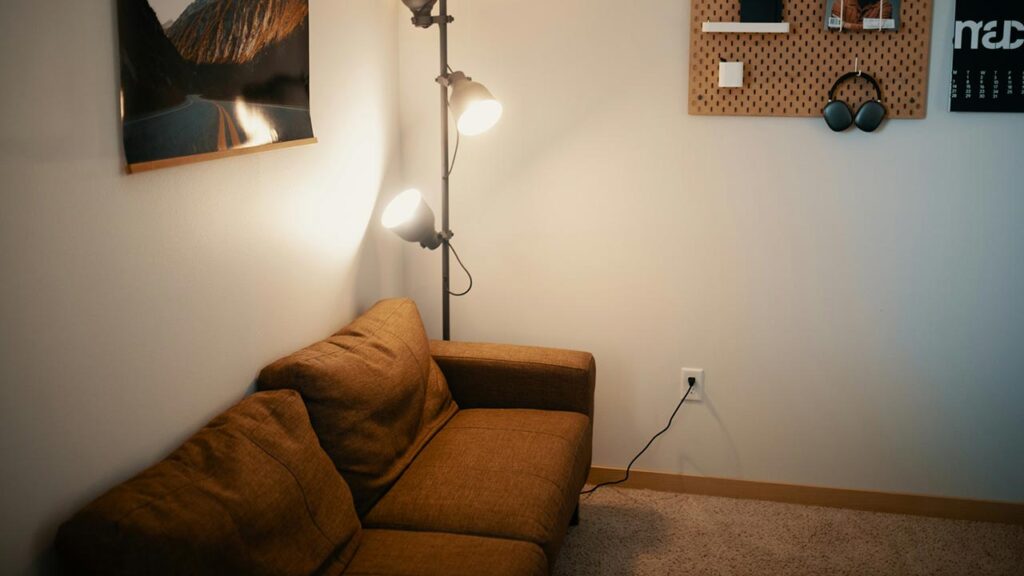
Life has a way of pulling people in new directions. Large homes often tie homeowners to a specific location because they require upkeep and financial commitment. Downsizing creates greater flexibility.
With fewer belongings and a more manageable property, relocating for reasons like career opportunities, family needs, or lifestyle preferences becomes much easier. According to housing research from Redfin, many homeowners are increasingly choosing smaller homes in walkable neighborhoods or lower cost regions.
This flexibility can also allow homeowners to explore different living environments without taking on the financial burden of a large property.
Better Use of Home Equity
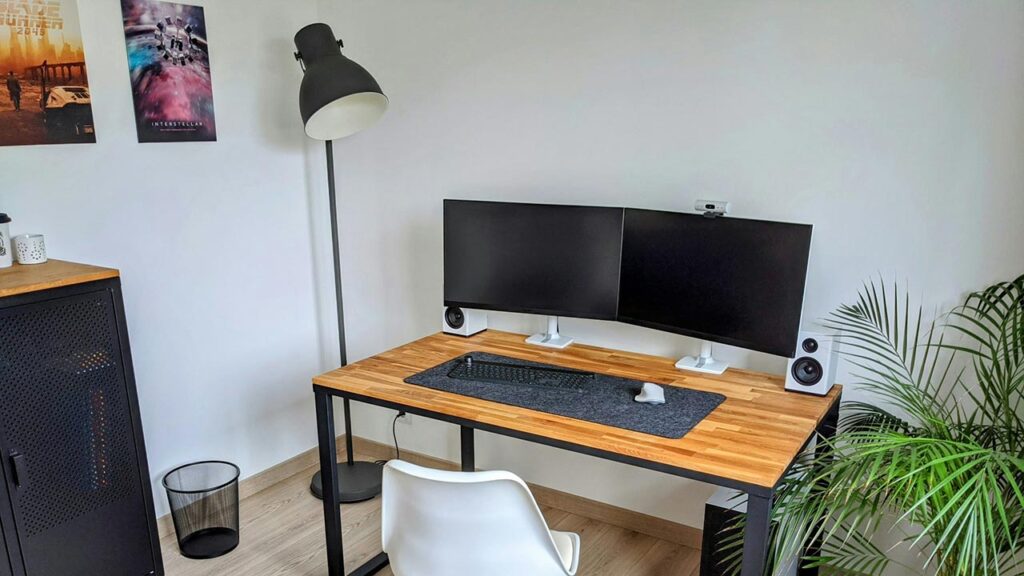
For homeowners who purchased a property years ago, rising home prices may have created substantial equity. Downsizing allows them to tap into that wealth without taking on new debt.
Real estate platform Zillow Research reports that long-term homeowners often hold hundreds of thousands of dollars in housing equity. Selling a larger home and buying a smaller one can convert part of that value into liquid savings.
That money can support priorities like retirement plans, investment portfolios, travel goals, or financial security during uncertain economic periods.
Reduced Maintenance and Stress
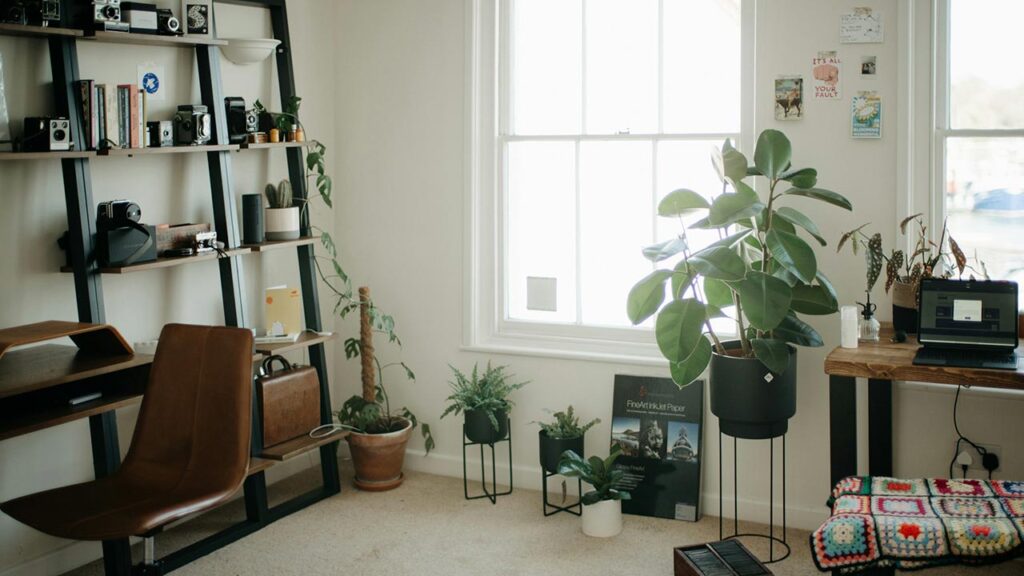
Maintaining a big home can be a job in itself. A larger home requires more cleaning, more repairs, and higher ongoing maintenance costs. Projects like roof replacements, landscaping, heating systems, and appliance upkeep all scale with the size of the property.
According to estimates from Bankrate, homeowners should expect to spend roughly 1 percent to 2 percent of their home’s value annually on maintenance. For a $600,000 house, that could mean $6,000 to $12,000 each year.
By moving into a smaller and potentially newer home, many of those maintenance demands fade. The result is not only financial relief but also less day-to-day stress. For homeowners looking to reclaim both time and money, downsizing is increasingly proving that a smaller home can deliver a much bigger reward.
