


Owning a second home has long been a financial milestone for many Americans. Whether it is a vacation property, a future retirement house, or an investment rental, the appeal is undeniable. The challenge, however, is ensuring that a second property strengthens your finances instead of jeopardizing them by putting your primary mortgage at risk.
The trifecta of mortgage rates, home prices, and stricter lending standards has made this balancing act even more delicate in recent years. Buyers who approach the process strategically are more likely to secure a second property while protecting their primary residence and long-term financial stability. Here’s the key: you must first understand lending rules, build financial buffers, and structure the purchase carefully.
Understanding Your Financial Situation

Before even browsing home listings, buyers should start with a realistic evaluation of their finances. A second property adds a whole new level of obligations, including another mortgage, higher insurance costs, property taxes, and ongoing maintenance expenses. Lenders closely examine whether a borrower can handle the added weight alongside their primary mortgage.
One commonly cited benchmark is the 28/36 debt guideline. This rule of thumb suggests housing expenses should ideally remain below about 28 percent of gross monthly income, while total debt payments, including two mortgages, credit cards, and auto loans, should stay under roughly 36 percent. Mortgage providers often allow slightly higher ratios for borrowers with strong balance sheets, but exceeding these ranges can raise risk. The Consumer Financial Protection Bureau notes that debt-to-income ratios also play a major role in mortgage approvals and long-term affordability.
Equally important is liquidity, or how quickly a borrower can access cash. Many lenders require buyers to maintain several months of mortgage payments in reserve when financing a second home. Having six to 12 months of housing expenses saved in cash or easily sellable investments helps protect both mortgages if income takes a hit or unexpected expenses pop up.
Financing Options for a Second Home

Most second homes are financed with a conventional mortgage, which is similar to a primary residence loan. However, to qualify, lenders often require higher credit scores and larger down payments. According to mortgage guidance from Fannie Mae, buyers typically need at least 10 percent down and strong credit to secure a second home loan, though many lenders prefer 20 percent or more.
Another option is using equity built up in the primary home. A home equity loan or line of credit allows homeowners to borrow against existing equity to help fund a down payment or even purchase the property outright. While this can unlock lower interest rates than unsecured borrowing, it places the primary residence on the line, so borrowers should ensure the payments remain manageable even during uncertain economic times.
Some buyers also explore cash-out refinancing. This strategy replaces the original mortgage with a larger loan and uses the difference to fund another property. While it can simplify financing, it also resets the primary mortgage terms, which may not be the best move if the original loan carries a lower interest rate.
Choosing the Right Location
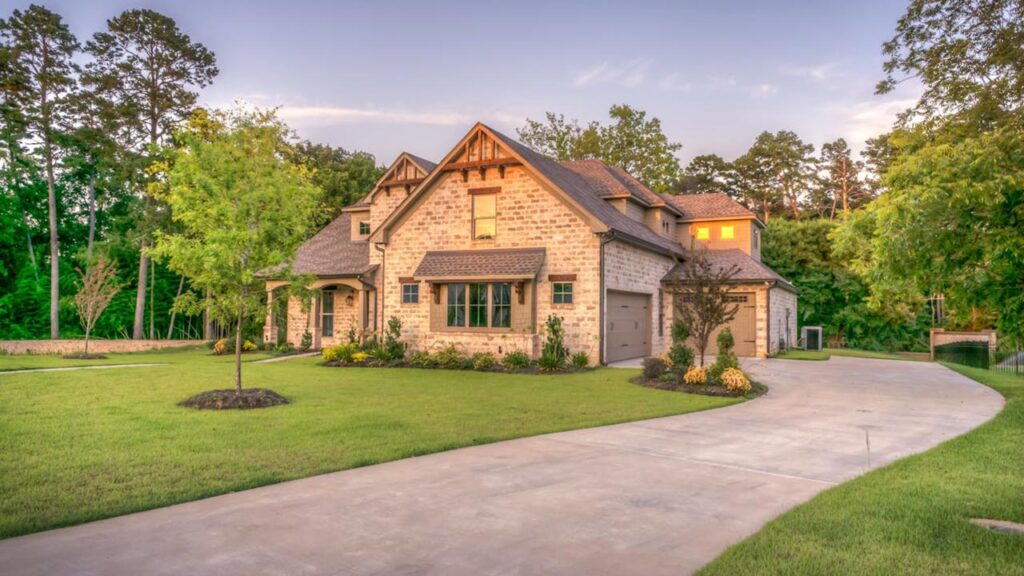
The location of a second home often determines whether the purchase becomes a financial asset or a liability. Buyers should look beyond their wish list and examine long-term housing trends. Markets with drivers like steady population growth, limited housing supply, and strong tourism demand tend to support property values more reliably.
Research from the National Association of Realtors shows that vacation markets near destinations like beaches, national parks, and major recreational spots often see stronger rental demand and appreciation potential. Accessibility also matters. Homes within reasonable driving distance of major metro areas tend to attract consistent short-term rental interest.
Beyond location, expenses such as property taxes, insurance costs, and local regulations should also be reviewed carefully. Some cities have strict limits on short-term rentals, which can dramatically affect the financial viability of a second home used for income.
Cost-Saving Strategies That Protect Your Primary Mortgage

One of the most effective ways to reduce financial pressure from a second home is to generate a steady stream of rental income. Many owners rent their property when it is not in use, turning the dwelling into an income-producing asset. According to guidance from IRS Topic 415, rental income from vacation homes may also provide tax advantages if the property is rented for more than a limited number of days each year.
Keeping operating costs low also helps protect cash flow. Upgrades such as energy efficient appliances, better insulation, and smart thermostats can reduce utility bills for both owners and renters. Insurance policies designed specifically for vacation or rental properties can also help avoid unexpected coverage gaps.
Many experienced buyers keep the second home mortgage notably smaller than what lenders allow. Maintaining a comfortable payment cushion goes a long way toward ensuring that setbacks such as temporary vacancies, repairs, or economic slowdowns do not threaten the primary household budget.
Long-Term Financial Planning

A second home should fit into a broader financial strategy, not stand in isolation. Experts often recommend maintaining a dedicated emergency reserve that covers both properties. This buffer can help absorb sudden repairs, vacancy periods, or temporary income disruptions without pressuring the primary mortgage.
Homeowners should also consider long-term tax and estate implications. The tax treatment of windfalls like rental income, capital gains, and inherited property can vary depending on factors like how frequently the home is rented and how it is structured legally. Resources from the IRS outline many of the rules surrounding vacation homes and rental properties.
When approached thoughtfully, a second home can provide both lifestyle benefits and long-term opportunity. Buyers who stick to conservative debt levels, build strong reserves, and choose locations wisely are far more likely to enjoy their second property without putting their primary home at risk.
